People who grow Clivia miniata love to keep to themselves and play behind closed doors, and that is how the big growers come about
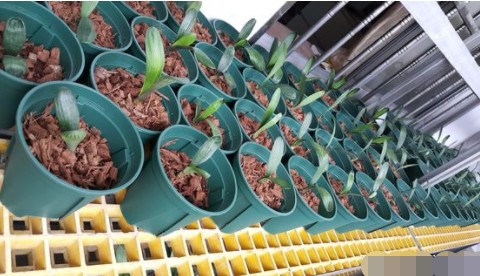
Growing Clivia miniata, liking to keep to themselves and play behind closed doors, and that is how the big growers come about
Not wanting their hard work to flow out, they just love to keep to themselves and play behind closed doors. Occasionally local orchid friends will give a few seedlings, but only if they suit my taste. I have a solitary and eccentric temper, and I have gained a certain amount of experience in the care of Clivia miniata.
Clivia miniata generally needs a soil change once a year after it blooms in spring. When changing the soil, pay attention when choosing a pot and pick one of an appropriate size. The flowerpot must not be too large. A deeper clay tile pot is preferable, and a purple clay pot is barely acceptable, but never use a porcelain pot, because it has poor breathability, which is bad for drainage for Clivia miniata.
The seed coat of Clivia miniata seeds is extremely tough, hard and smooth, and water does not easily enter. But water enters quickly through the seed hilum. Therefore, before sowing, soak them in warm boiled water at about 40°C, which can gradually soften and swell the seed coat and endosperm. After 24 to 36 hours, scoop the seeds out, let them cool slightly, and then sow. For ordinary home cultivation, after the seeds are treated this way, the radicle can emerge in 15 to 20 days.
During the period when orchid shoots and new roots are sprouting, more nutrients are needed. If appropriate fertilizer is not given, it will be hard to get strong shoots later, and it will also affect the later growth and flowering of the orchid seedlings. Therefore, from the Spring Equinox to Qingming each year, choose clear weather to apply 1 round of organic fertilizer, and then apply it once more after half a month. These two fertilizations are very beneficial for orchids to produce strong shoots.