These 6 plants nourish people and protect the home; grow any one of them and you will feel fully happy
As living standards rise, many people keep one or two plants at home, which both nourish people and protect the home. Since you are going to grow them, it is best to look around and see which plants suit your taste better. Today we introduce 6 kinds of flowers that both nourish people and protect the home, and I believe there is always one that suits you.
“
Nourish people and protect the home
”
- Clivia -
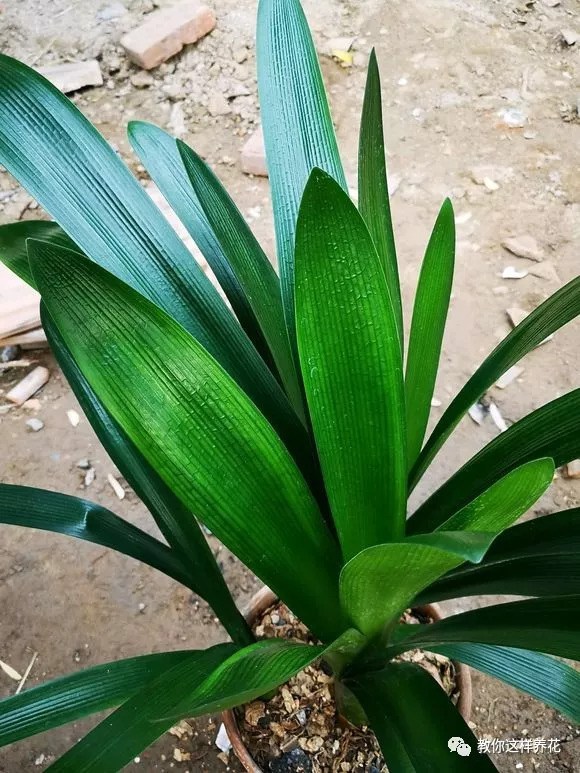
Common Clivia varieties include the drooping-flowered Clivia (Clivia nobilis) and the large-flowered Clivia (Clivia miniata); the more upscale ones include the striped-leaf Clivia, whose leaves show yellow and white color stripes. They are usually placed on curio shelves, tea tables, desks and other places. They carry the meanings of "elegance," "longevity" and "the modest gentleman."
Clivia likes a warm, humid and semi-shaded environment. It likes scattered light and does not like direct summer sun, is not cold-tolerant, and fears waterlogging. It grows well in loose, sandy soil rich in organic matter.
Autumn care requires attention to water and fertilizer management, with neither dry nor wet being best. After the autumn turns cool, move it to an enclosed balcony or windowsill for care, and pay attention to indoor air circulation.
- Money Tree -
The Money Tree (Pachira aquatica) is an evergreen tree plant. It does not bloom easily, so it is mostly used as a foliage plant. It is suitable for places such as the bedroom and study, and carries the meanings of "wealth rolling in," "prosperity and success" and "a bright future."
The Money Tree likes a warm and humid environment. It tolerates semi-shade, does not like strong direct sun, tolerates drought, fears waterlogging, and is not cold-tolerant. It grows well in loose, fertile and well-drained sandy soil.
In autumn, make sure it gets plenty of sunlight and gradually reduce the amount of watering, basically once every 1-2 weeks.
- Spider Plant -
The Spider Plant (Chlorophytum comosum) has strong vitality, and its plant shape is as elegant as an orchid; it is a vigorous and very lovable plant. Its leaves are slender and soft, and small plantlets grow out from the leaf axils, hanging down from the edge of the pot, spreading and trailing like flowers, evergreen all year round. The Spider Plant symbolizes wealth and health and can increase a household's fortune. Moreover, the Spider Plant's flower language includes the meaning of hope, so keeping a Spider Plant at home is a very good choice.
The Spider Plant likes a warm, humid and semi-shaded environment. It is not cold-tolerant, fears high temperatures and strong direct sun, tolerates drought, and avoids waterlogging. It grows well in loose, fertile loam with good water retention.
The autumn climate is dry, so spray water around the Spider Plant often and move it to an indoor spot where sunlight can reach it. Also add topdressing, applying organic fertilizer liquid once every 7~10 days.
- Cyclamen -
Cyclamen (Cyclamen persicum) is also known as rabbit-ear flower, radish begonia, yipin crown and so on, and is a semi-cold-tolerant bulbous flower. It has many flower colors, including red, pink, white and bicolor, and its flower forms include ruffled-edge and miniature varieties. It has been praised as the queen of potted flowers, and is often placed on windowsills, tea tables, bedside tables and other places. It carries the meaning of "immortals arriving gracefully."
Cyclamen likes a warm, humid, cool and sunny environment. It fears high temperatures, dreads severe cold, and avoids strong direct sun. Spring, autumn and winter are its growing seasons, while summer is its dormant period. It grows well in slightly acidic sandy loam rich in humus and well drained.
Autumn is the season for sowing Cyclamen. Place the sprouted Cyclamen in a sunny spot for care, and provide appropriate shade at noon. At this time the Cyclamen is in a vigorous growth period, so increase the amount of fertilizer and water.
- Asparagus Fern -
Asparagus Fern (Asparagus setaceus) is also known as cloud-pine, thorn asparagus, cloud bamboo and so on. Its flower stems are soft, and its leaves are scale-like, giving it great character. Its flowers are very small, in white and green. It is often placed in the kitchen, bedroom, study and other places. It carries the meanings of "eternity" and "happiness."
Asparagus Fern likes a warm, humid and semi-shaded environment. It is not cold-tolerant, fears strong direct sun and drought, and avoids waterlogging. It grows well in loose, fertile and well-drained sandy soil.
Once the Asparagus Fern resumes growth, it can be watered and fertilized normally. After the temperature drops, gradually move the Asparagus Fern to a sunny spot by the bed for care, pay attention to keeping the indoor temperature, reduce the frequency of watering, and just keep the potting soil moist.
- Osmanthus -
Osmanthus (Osmanthus fragrans) can reach a height of 15 m; many people may never have seen such a large osmanthus tree, and of course you can also prune it to whatever height you want. Its flowers are very small, in colors such as yellow, orange-red and milky white, and the fragrance is pleasant. It usually blooms in September-October. Besides being planted in courtyards, Osmanthus can also be grown in pots and placed on balconies and in living rooms. It carries the meanings of "friendliness," "auspiciousness," "nobility" and "admiration."
Osmanthus likes sunlight and is also fairly shade-tolerant. It likes moisture but cannot be waterlogged, and fears cold. It likes fertile, deep, well-drained slightly acidic or neutral soil, and its suitable growing temperature is 20-28°C.
When autumn temperatures are high, it must not lack water. For watering, it is best to keep the soil moisture content at about 50%, that is, slightly moist, and also be careful to prevent waterlogging in the pot from rotting the roots. In early September, apply the last liquid fertilizer mainly based on phosphorus fertilizer to promote the growth of Osmanthus and help it bloom.
When growing flowers at home, it is best to choose some healthy, fresh flowers. Poisonous flowers such as Dieffenbachia, oleander and datura should be kept away to avoid their harm. All right, which of today's home-protecting plants do you like?
These 6 plants nourish people and protect the home
Everyone likes them
Show this to flower lovers who need it!