Spider plant always wilting and not growing? So this is where the problem lies
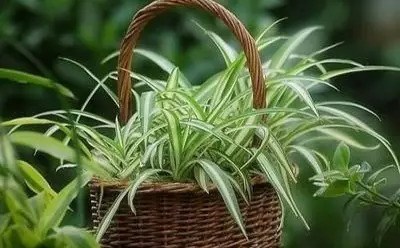
The spider plant is a plant that is simple and elegant yet distinctive and generous, making it a very suitable indoor potted plant for growing at home.
Moreover, the leaves of the spider plant stay green all year round, and whether hung by the window or placed on the balcony, it can make people feel relaxed and happy, cosy and comfortable.
The slender leaves of the spider plant can also absorb harmful gases and effectively purify the air, bringing the whole family a pleasant environment and benefiting human health.
But many people report that after growing spider plants for a while, the leaves always turn yellow and wither, and the tips of the leaves even turn black and scorched. Why exactly does this happen, and when it does, how should it be solved?
Cause 1: The pot space is too small
Because the spider plant grows relatively fast, during the process of cultivating it, you need to repot it regularly according to its growth, creating more space for its growth.
If you do not repot it for a long time, it is very easy for the roots to remain trapped in a narrow space without room to spread, and of course the leaves will not grow vigorously.
Solution:In that case, you must repot it. Take the spider plant out of the old pot, cut off the rotten roots and dead branches and leaves, and then move it to a larger pot for cultivation. After repotting, place the spider plant in a cool, ventilated place and wait for it to recover from transplant shock.
Cause 2: Temperature too high, sunlight too strong
Especially in summer, when the temperature is too high and the air is rather muggy, if you do not pay attention to shading and keeping ventilation, it is very likely to cause the leaves of the spider plant to turn scorched yellow, with the leaf tips withered yellow and declining.
Solution:Immediately move the spider plant to a cool environment, cut off the already withered and yellow leaves, and strengthen air circulation. You can spray clean water on the leaf surface to speed up the spider plant's recovery.
Cause 3: Root rot
There are many causes of root rot. It may be due to the soil being too compacted, or it may be caused by overwatering. When the plant's roots rot, they can no longer absorb water and nutrients from the soil, which easily causes the leaves to wither and droop.
Solution:Immediately take the whole spider plant out of the flowerpot, clean off the soil on it, prune away the already rotten parts, and then move it to sandy soil for planting. During cultivation, do not water too much, and wait until new roots grow.
Prevention
1. Keep the environment moist
Because the spider plant has many leaves and is lush, it needs more water. You should not only pay attention to controlling the amount of watering to keep the soil inside the flowerpot moist, but also frequently wipe the leaves of the spider plant with a damp cloth to remove dust from the surface and help keep them fresh.
Furthermore, you can also frequently spray some water into the air around the spider plant to provide a moisturising effect.
2. Shade in summer
Although the spider plant is accustomed to a light environment, it rather dislikes direct strong sunlight. In summer, do not let it receive strong light exposure, so as to avoid the leaf surface being scorched.
3. Repot regularly
The spider plant should still be matched with a flowerpot suited to its size. If the pot is too small, it easily restricts the growth of the spider plant and hinders its expansion and development. Generally speaking, repotting is best done in spring and autumn, moving it from a small pot to a larger pot.
If you also like growing flowers, then follow us!