Fertilizing in autumn can make flowers bloom in winter, but never fertilize these three kinds of flowers
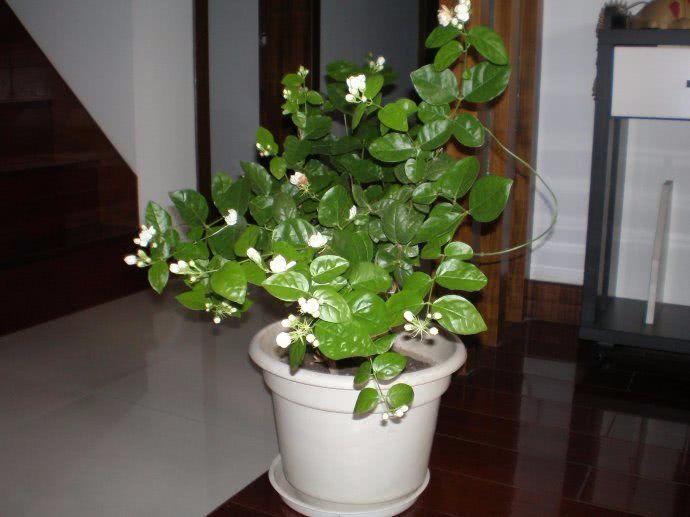
One autumn rain brings one spell of cold; once this rain passes, autumn has truly arrived! No more worrying about your plants at home getting sunburned or suffocating! Gardening friends are all active in the flower market, buying new plants, choosing seeds, and purchasing fertilizer. One after another they start fussing over their plants.
But Yatou needs to remind everyone that fertilizing in autumn is great, but you must pay attention to the degree, especially just as autumn begins, don't go too crazy, especially for the following 3 kinds of flowers!
1. Jasmine (Jasminum sambac)
Jasmine's blooming season is from May to August, but due to environmental differences, sometimes it will bloom a little in autumn as well. So when fertilizing, be careful to use a thin fertilizer. The usual fertilizing cycle is once a month. Just as autumn begins, don't rush to fertilize; wait for the jasmine to adapt for a while, which ensures it can get through the winter safely.
(Besides fertilizing, Yatou also wants to mention additionally that you should prune in time, cutting off leggy and diseased-thin branches, so as to avoid consuming excess nutrients.)
2. Hibiscus (Hibiscus rosa-sinensis)
I don't know how many gardening friends grow hibiscus. Hibiscus is also called Zhu Jin, and is said to be the model worker among flowers, able to bloom all year round. And hibiscus likes water and fertilizer. But in autumn you should appropriately control water and fertilizer to slow down its growth. Under conditions of heavy water and heavy fertilizer, hibiscus will speed up sending out new branches; entering late autumn, as temperatures drop, these branches have relatively poor cold resistance and disease resistance, making it very hard for them to get through the winter.
3. Bougainvillea (Bougainvillea)
Entering autumn, bougainvillea is about to begin budding and blooming. Fertilizing during this period requires particular care; you should appropriately increase phosphorus fertilizer, and of course control the degree well. Apply once before budding and blooming, to avoid excessive fertilizer.