Prepare Early for Overwintering Your Plants: Do These 4 Things Well and They Will Thrive in Spring
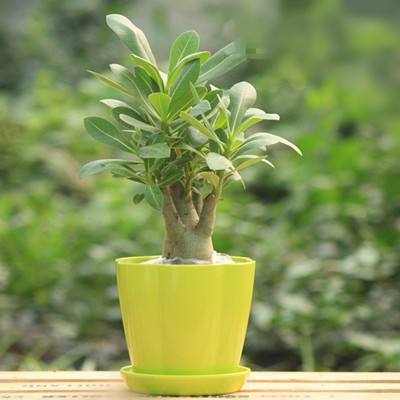
The weather has gradually cooled down. Compared with the scorching heat of summer, the coolness of autumn also lets flower lovers breathe a sigh of relief, as they can finally take some time to relax. But some friends are naturally unable to sit still, and as soon as early autumn arrives, they are already getting ready to learn techniques for plants during the winter. Since everyone is keeping busy, Huahua will also be diligent and has sorted out a few key points about overwintering flowers and plants, to help everyone understand what to pay attention to for overwintering flowers and plants before winter arrives.
Only by mastering knowledge of flower cultivation in advance can you let flowers and plants overwinter safely.
1. Air humidity
Around mid-autumn, everyone can already notice that the air has become very dry, not to mention that in winter the air becomes even drier. Dry air is not good for plant growth. The south is still a bit better, but the north is really too dry. At this time, we can use some small spray bottles and simple tricks to add humidity around the plants so the leaves are not so dry.
Dry air does not mean you should water more. In autumn and winter, watering should be reduced as appropriate. Especially in winter, when plants enter dormancy, moisture should be reduced even more. If you are not careful even once, the plants are very likely to develop root rot and die from waterlogging.
2. Fertilizer and water
In winter, the vast majority of flowers and plants have already entered dormancy. At this time, no fertilizing is needed at all; just let the plants rest well. Fertilizing during plant dormancy will affect their growth in the following spring and cause leggy growth, so during the next year's growing season the plants will not be in very good condition. Dormant plants not only must not be fertilized, but even the amount of water should be reduced, so everyone must pay attention.
3. Temperature
Although winter temperatures are very low and plants should be moved back indoors to grow, you should also note that in the indoor space where plants are kept, the temperature must not be too high. For plants that need dormancy, the surrounding temperature is best kept below 10°C. Too high a temperature will force the plants to grow, affect the nutrients the plants themselves store, and be bad for plant growth.
4. Sunlight
There is no need to say much about the importance of light to plants, right? When you move plants back indoors in winter, do not forget to let them get some sun. Although plants are in dormancy, good light allows them to store the nutrients they need for use in the following spring. Therefore, plants must never be kept in dark, damp places for a long time.
The above four points are some suggestions for everyone about overwintering plants. Although it is still autumn now, it is not early at all to understand this knowledge now. Only by preparing early for plants can they overwinter more smoothly.