The kaffir lily's leaves are glossy and deep green, and it turns out the trick was putting two of these in the pot
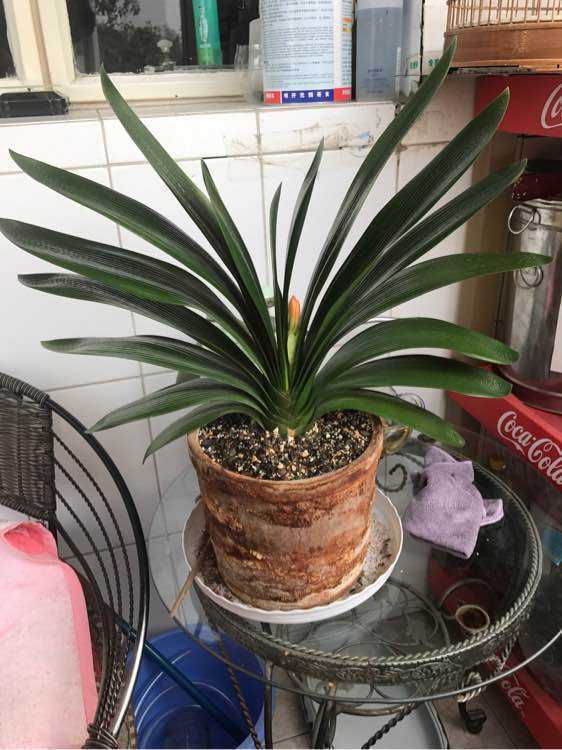
Autumn is here, and friends who grow flowers at home are all getting ready to repot their plants. That's right, no matter what kind of flower you grow, there will always come a time to repot it. Repotting really can boost a plant's growth; after a plant has been growing for a while, the soil will inevitably lose its ability to hold water and nutrients, and that's when repotting becomes very necessary.
Many friends who have a kaffir lily at home choose this time to repot it, since the temperature is just right, and as long as the kaffir lily is not in its flowering period, it can be repotted. Expert gardeners surely know that although the kaffir lily (Clivia miniata) is called a "lily," it is not an orchid-family plant at all, but a plant of the "garlic" family.
Take orchids as an example: the growing methods for kaffir lilies and orchids are still somewhat different. If you want to repot your kaffir lily, why not add two soybeans to the pot during the repotting process? Don't underestimate those mere two soybeans, they are incredibly useful! Want to know what's really going on? Then keep reading!
Normally when we fertilize a kaffir lily, we usually choose soybean cake fertilizer and nitrogen fertilizer made from soybeans. Why is that? Because soybeans contain a large amount of nitrogen, and this nitrogen can promote plant growth.
We put the common soybeans found at home into a sealed container, add some clean water, and let them ferment into fertilizer. At this point you can repot the kaffir lily, and in the soil of the repotted kaffir lily, dig a few small holes and place about two soybeans in each hole. This practice allows the soybeans to release a large amount of nitrogen into the soil in the days to come, providing the kaffir lily with enough nutrients.
It happens to be autumn now, and winter will arrive before long. Burying two soybeans in the soil at this time can provide enough nourishment for the kaffir lily during its winter dormancy, helping it get through the winter smoothly. Having absorbed enough nutrients and rested for enough time, when the temperature rises next year, the kaffir lily will be in even better growing condition.
Autumn is actually a short season; before you've enjoyed many comfortable days, it's already time to busy yourself getting the plants through winter, doing a good job of keeping them warm and moving them indoors. We need to make the most of these few months to prepare the plants fully and provide them with plenty of nutrients.
Besides all this, also remember to give the kaffir lily more light in autumn; letting it carry out more photosynthesis is good for its growth.
The kaffir lily is elegant and graceful. If the leaves of the kaffir lily at home are glossy and deep green, and its flowers are bright and lovely, it is very pleasant to have it in the house. I hope everyone's kaffir lily grows beautiful and dignified.
I wonder if today's article has been helpful to you? Anyway, it doesn't cost anything, so give tossing in two soybeans a try!