What is the flower language of the begonia flower? A detailed explanation of the begonia flower language
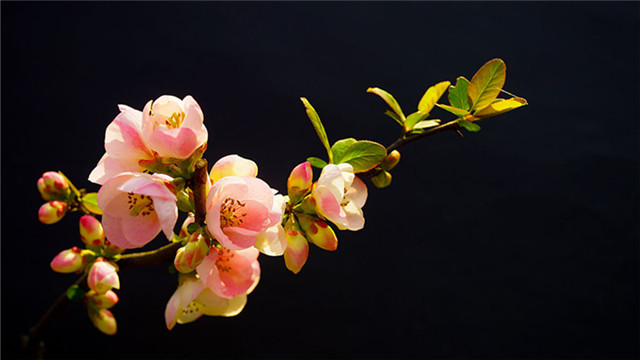
I. Origin of the name
Long ago, there was a devoted woman who kept waiting for her beloved. But because women in ancient times had low status, she could not go out to look for her love and could only wait bitterly. Many years passed, and she did not find her love; after she died, she turned into a very vivid flower, and this flower was the begonia. The begonia is also called the heartbreak flower: heartbreak and bitter love, yet with no result.
II. Flower language
1. Bitter love
The begonia flower has another name, the heartbreak flower. It means loving someone bitterly but ultimately with no result; this feeling is like having one's intestines cut, and that is how the alias heartbreak flower came about. It grows in the severe cold of winter, and the biting wind cannot stop its growth, so it also symbolizes the quality of being indomitable. In ancient times, it was also used as a metaphor for the pain of parting between men and women, especially for couples in the passionate stage of love; the heartbreak flower best expressed their feelings at parting.
2. Beauty
The flowers it bears are especially beautiful, and the flower shape is very charming; in ancient poetry there are lines using it to describe beautiful women. In ancient times, begonias were generally planted in royal gardens, so besides symbolizing beauty, it also symbolizes nobility.
3. Parting sorrow
When far away, one always misses one's family. It can represent not only the feelings between lovers but also the longing between family members, hence the flower language of parting sorrow.