Why is the begonia flower considered unlucky? The folk sayings have their reasons
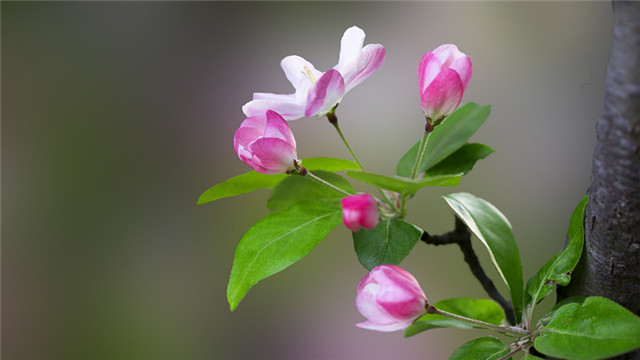
1. Origin of the name
Long ago, there was a very devoted woman who waited endlessly for her sweetheart. She waited a long time but never saw him, and after she died she became a begonia flower. Yearning and bitter love, yet no result, so the begonia flower is also called the "heartbreak flower." People believe that whether it is its legend or its other name, the meaning is not good, so they consider it an inauspicious flower. Generally, people do not grow it at home.
2. Feng shui significance
The begonia flower represents wealth and honor. Its blooms are grand and its flower shape is beautiful. In ancient times, when people wrote poetry, they often used it to describe a gentle and elegant lady from a distinguished family. It is said that as long as you plant a few of them beside your residence, they can bless the children in the family with success in their studies and great wealth and honor.
3. Flower language
1. Bitter love
The ancients used the begonia flower's other name, "heartbreak flower," as a metaphor for the state of lovers who love each other but cannot be together. So it took on the flower language of bitter love, loving bitterly but with no result. In modern times, it is also used as a metaphor for the state of long-distance lovers yearning for each other.
2. Sorrow of parting
Besides expressing the feelings between lovers, travelers far from home in ancient times often used it to express their care and longing for their family and relatives back home. You can imagine a traveler in a distant place, gazing toward the direction of his hometown, his heart filled with longing for home. Its meaning of sorrow of parting thus becomes all the more deeply felt.