How to Tell Poisonous Plants from Non-Poisonous Ones - Stop Getting It Wrong...
A couple in Chengdu ended up in the ICU
Just because they ate "okra"?
News recap
According to Deng Lei, deputy chief physician of the Emergency ICU at Sichuan Provincial People's Hospital, a few weeks ago, a couple in their forties were both admitted to the Emergency ICU of Sichuan Provincial People's Hospital for emergency treatment.
"It took seven or eight people to restrain them!" After treatment by the medical team, the couple's condition gradually stabilized. The couple then said they had bought "okra" at the vegetable market and cooked and ate it for dinner.
They had mistakenly bought datura thinking it was okra.
Datura
In recent years, okra, due to its extremely high edible value,
has become a new favorite on people's dining tables
But what few people know is
there is a highly toxic plant -
datura, which looks very similar to okra
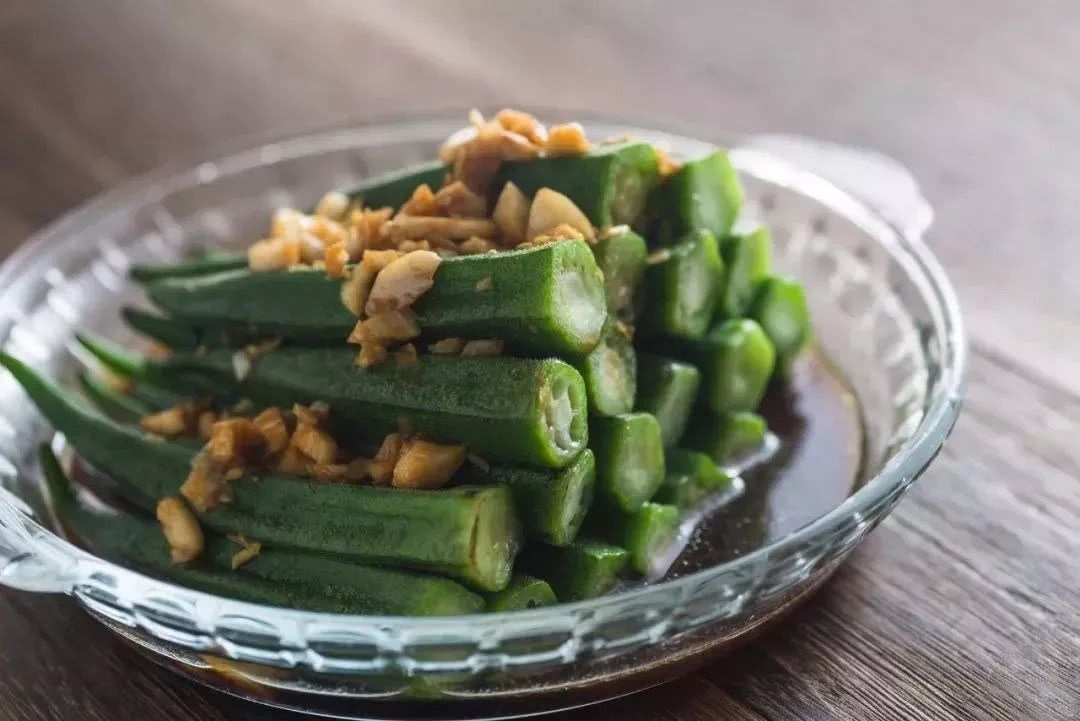
Okra
In recent years, because datura was mistaken for okra
news of accidental poisoning from eating it has also repeatedly appeared in newspapers
Are "poisonous vegetables" really far away from us?
Not at all
Many "poisonous vegetables" look very similar to edible vegetables
Pay attention and tell them apart when buying vegetables
Never mix them up!
In severe cases, it may be life-threatening!
West China School of Public Health and West China Fourth Hospital, Sichuan University
also specifically published science education on how to tell poisonous vegetables apart
Next, let's highlight the key points!
Teaching you how to avoid the "pits" of these poisonous vegetables!
Taro vs Alocasia
Taro
Taro, which belongs to the same family as Alocasia
One of the common vegetables
Its surface mucus can cause allergies when it comes into contact with the skin
Taro cannot be eaten raw; its toxicity disappears after cooking
Alocasia
Alocasia, a plant of the genus Alocasia in the Araceae family
Also known as: Alocasia macrorrhizos, wild taro,
mountain taro, giant taro, tian yu, etc.
Because its flowers resemble Guanyin
and in humid environments it often drips water along the leaf edges, hence the name
Its corms and leaves have medicinal value, and it is mostly used for ornamental purposes
The whole Alocasia plant is toxic, with the rhizome being highly toxic
Skin contact can cause redness, swelling, itching, and pain
and even systemic symptoms
Contact with the eyes can cause conjunctivitis and, in severe cases, blindness
Accidental ingestion can cause drooling, numbness, a burning sensation in the stomach,
nausea, vomiting, abdominal pain, diarrhea
and even liver and kidney damage, suffocation, heart failure, etc.
Management of accidental ingestion: There is no specific antidote. Outside the hospital, use vinegar plus ginger water to rinse the mouth and induce vomiting, and send the person to the hospital immediately.
Gynura bicolor vs Fake Gynura bicolor
Gynura bicolor
A perennial herbaceous plant of the genus Gynura in the Asteraceae family
Also called purple-backed vegetable, cultivated in many places in China
Used medicinally or as food
A common dish in southern Sichuan is stir-fried pork liver with Gynura bicolor
Fake Gynura bicolor
Fake Gynura bicolor
Folk common names include "hua'er cai, jian zhong xiao, xue dang gui"
In the past, it was used in folk medicine to induce abortion
It has the effect of promoting blood circulation and removing blood stasis
The leaf edges have curled teeth, and it is more slender than Gynura bicolor
It flowers, and has a bitter taste when chewed in the mouth
There have been cases of accidental ingestion and poisoning in areas such as Luzhou and Yibin
Patients develop
symptoms such as dizziness, nausea, vomiting, abdominal pain, and diarrhea
Ginseng vs Pokeweed
Ginseng
Ginseng, a perennial herbaceous plant of the Araliaceae family
Known as the "king of a hundred herbs"
A supreme tonic for "nourishing yin and tonifying the kidneys, and strengthening the body's foundation"
Pokeweed
Pokeweed, Phytolaccaceae
Also known as Phytolacca acinosa and Phytolacca americana
Also called large amaranth, earth ginseng, wild radish, rouge, etc.
The white fleshy root is used as medicine; the red root is highly toxic
For external use only
Pokeweed is quite toxic
Its components are mainly triterpenoid saponins
Also called pokeweed saponins, soluble in water
Taking it in large amounts can cause poisoning
Manifesting as nausea and vomiting, abdominal pain and diarrhea,
tachycardia, rapid breathing, slurred speech,
restlessness, hallucinations, convulsions, coma,
decreased blood pressure, dilated pupils
and death due to myocardial paralysis
Management of accidental ingestion: Vomiting can be induced, followed by immediately sending the person to the hospital.
Honeysuckle vs Gelsemium flower
Honeysuckle
Honeysuckle, properly named Japanese honeysuckle
A herbaceous plant of the genus Lonicera in the Caprifoliaceae family
Because the flowers are white when they first open
and later turn yellow, it is named honeysuckle
A good medicine for clearing heat and detoxifying
Gelsemium flower
Gelsemium, also known as Hu man teng, duan chang cao,
chaoyang cao, da cha yao, da cha teng, he ban yao, wild kudzu, etc.
A woody vine of the Loganiaceae family, genus Gelsemium
Legend says it was the thing that poisoned Shennong to death
It contains a variety of alkaloids
With strong neurotoxicity
Mainly attacking the central nervous system and autonomic nervous system
Small doses can promote animal growth
In the early stage, poisoned individuals develop nausea, vomiting,
abdominal pain, drooling, and other gastrointestinal symptoms
Soon afterward, dizziness, flaccid weakness of the limbs,
decreased vision, double vision, difficulty swallowing,
coma, convulsions, and other neuromuscular symptoms appear
There are also ptosis, dilated pupils, and other signs
Atropine-like manifestations that are easily misdiagnosed
Most die from respiratory depression and multiple organ failure
Management of accidental ingestion: Induce vomiting, send to the hospital quickly; respiratory arrest is likely to occur, and magnesium sulfate is prohibited for inducing diarrhea.
Celery vs Anise
Celery
Celery, a plant of the Apiaceae family
One of the common vegetables
Poison hemlock
Anise is divided into short-fruited anise,
astilbe-leaved anise, and leather-leaved anise
Mainly distributed in Jilin, Liaoning, Hebei, and Guizhou
Also distributed in Korea and Russia
The whole plant is toxic, with the mature seeds being the most toxic
The main toxic components are coniine,
N-methylconiine and cicutoxin
The toxic dose for humans is 3.0-6.0mg
The lethal dose is 120-150mg
Cicutoxin mainly excites the central nervous system
After accidental ingestion, one feels a burning sensation in the throat, salivation,
nausea, vomiting, abdominal pain, diarrhea,
weakness in the limbs, unsteady standing, difficulty swallowing and speaking,
dilated pupils, difficulty breathing, etc., and even death
Management of accidental ingestion: Induce vomiting and seek medical attention immediately.
In addition, some vegetables and fruits we often eat
may also hide dangers
Special attention should be paid in daily life
Daylily
Daylily, also known as golden needle vegetable or true golden flower, is a perennial herb of the order Liliales, family Liliaceae. Because of its delicious taste and rich content of vitamins, phosphorus, calcium, iron and other substances, it has become a well-known delicacy.
Dried daylily is non-toxic,while fresh daylily is rich in colchicine, which is oxidized in the body into the more toxic colchicine derivative, stimulating the digestive system and causing poisoning symptoms.If a patient develops dry throat, heartburn, nausea, vomiting, abdominal pain, diarrhea, or in severe cases bloody stools, bloody urine, reduced urine output and other discomforts within several minutes to more than 10 hours after eating fresh daylily, it indicates poisoning.
Dried daylily is non-toxic
Eating dried daylily, according to researchdehydrated daylily steamed at 95°C for 60s can achieve the best edible value and safety; if you insist on eating fresh daylily, eat less than one liang (50g) at a time, and soak it in clean water for 2h before eating to dissolve out as much colchicine as possible.
Management of accidental ingestion: Induce vomiting immediately, then seek medical attention. With timely treatment, the prognosis is generally good.
Houttuynia cordata
Houttuynia cordata, also known as zhe'ergen, pig nostril, dog ear, etc., is a herbaceous plant of the family Saururaceae. Houttuynia cordata is widely recorded in traditional Chinese medicine texts,and has effects such as clearing heat and detoxifying, promoting diuresis and reducing swelling, inhibiting bacteria and viruses, and boosting immunity. It is commonly used as medicine and even more commonly seen on the dining table.
Oral use of Houttuynia cordata occasionally causes dry mouth, heartburn, palpitations, and hand tremors,and after excessive intake, nausea, vomiting, dizziness, profuse sweating, difficulty breathing, coma, and shock may occur. Houttuynia cordata has low toxicity and contains aristolactam; long-term large consumption can cause irreversible kidney damage and lead to upper urinary tract urothelial carcinoma.Since June 2006, Houttuynia cordata injection has been banned.
Management: Acute discomfort is mainly allergic, and symptomatic supportive care is the main approach.
Ginkgo
Ginkgo, also known as ginkgo biloba, and also called duck neck, lingmian, Buddha fingernail, is the seed of the deciduous tree Ginkgo biloba of the genus Ginkgo, family Ginkgoaceae. Inside the shell is a yellow-white kernel, rich in nutrients, sweet and fragrant, and can be boiled or stir-fried.
The toxicity of ginkgo is greatest in the green embryo,and the kernel contains trace amounts of cyanogenic glycosides, so eating too much can easily cause acute poisoning.Its toxins are soluble in water and highly toxic; exposure to heat can reduce toxicity, so symptoms of poisoning are more pronounced in those who eat it raw.
Poisoned patients mainly show symptoms of the central nervous system and gastrointestinal tract, and occasionally peripheral nerve dysfunction, with dizziness, dry mouth, fatigue, nausea, vomiting, abdominal pain, diarrhea, and even visual spinning, fear, listlessness, convulsions, and twitching. Onset generally occurs 1-12h after eating, and in longer cases up to 16h. The younger the age, the more susceptible to poisoning. For infants, eating 10 seeds can be fatal, and for children aged 3-7, 30-40 seeds can be fatal.
The key is to eat only a very... very small amount! (Putting a few in a stew is enough, peel off the green embryo and throw it away, and do not let children eat it casually; for those who eat ginkgo leaves, it is even harder to understand. Just one sentence: it will also cause poisoning!)
Management: Induce vomiting and seek medical attention immediately.
If you also like growing flowers, then follow us!