Give the gardenia a little magic water and its leaves will grow glossy green like crazy, unstoppable
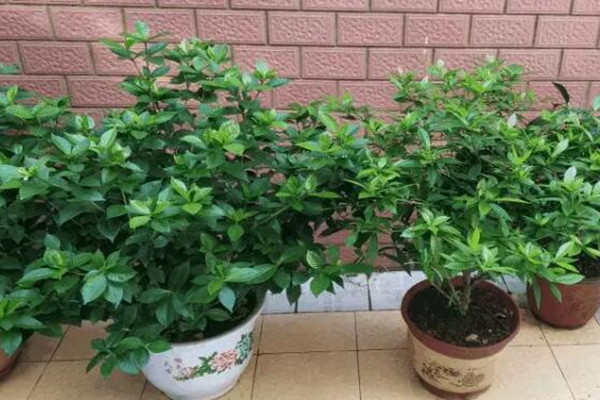
Overwatering causes yellow leaves
The end of the gardenia's blooming season happens to coincide with autumn arriving. A lot of friends think that once the weather cools down, the gardenia shouldn't be as delicate as it was in summer, so they start watering it like crazy!
Symptoms:
The leaves start turning yellow slowly from the bottom up, with basically no yellow leaves at the top; the leaf veins stay a normal green while the rest of the leaf is yellow.
Rescue measures:
Poke the soil a few times with a chopstick to loosen it, then put it somewhere with good ventilation to speed up the evaporation of the water that has accumulated in the soil.
Alkaline soil causes yellow leaves
Friends in the north should know this well, gardenias really are hard to grow! This is mainly because the alkaline soil of the north is not suitable for gardenia growth, so yellow leaves become an everyday occurrence.
Symptoms:
The veins of the new leaves are green, but the leaf tissue appears yellow-green, while the old leaves are basically normal.
Rescue measures:
Prepare a plastic bottle, add 100g of citric acid, put in a rusty iron nail and then fill it with water. Once the rust has disappeared and the solution turns pale green, dilute it with water 500 times and water the gardenia with it, using it once every 10 days, and the yellow leaves will slowly disappear.
Overfertilizing causes yellow leaves
To make the gardenia grow fast and strong, plenty of flower lovers like to add some fertilizer to the water every time they water. After doing this many times, they find that the gardenia has more and more yellow leaves!
Symptoms:
The old leaves start turning yellow from the veins first, gradually spreading to the whole leaf, and in severe cases the entire plant will turn yellow.
Rescue measures:
Flush the potting soil with a large amount of water, or use the soaking method, to dilute the fertilizer that is too concentrated in the soil.
Environmental changes cause yellow leaves
Many flower lovers like to buy gardenias when the seasons change, but after taking them home, the leaves that were originally glossy green suddenly turn yellow and keep dropping like crazy.
Symptoms:
A few days after buying the gardenia and bringing it home, or after moving the gardenia from outdoors back inside, yellowing leaves appear unevenly.
Rescue measures:
Keep it in a spot with bright, indirect light and good ventilation for a period of time, and wait for the gardenia to slowly adapt to the new environment. If the gardenia's leaves stay yellow for more than half a month, then you should consider washing the roots and repotting.
Wash the gardenia's roots and make sure it won't rot for 10 years!
Many gardenias bought at the flower market are in clay soil. After being watered many times, this kind of soil gradually becomes compacted, like a brick, and easily holds water, causing the gardenia's roots to rot.
1. If you find the soil is severely compacted, for the gardenia's normal growth, it is best to take it out of the pot and wash the roots.
2. Prepare a large bucket, pour in clean water, and soak the unpotted gardenia in the water to clean the roots. Do not pry off the soil on the roots by force, as this easily damages the roots; it is best to take it out and shake it every so often, letting it soak clean naturally.
3. After cleaning it thoroughly, trim the gardenia's rotten roots, then soak it in rooting water for half an hour; you can add some carbendazim to the rooting water.
4. While the gardenia roots are soaking, prepare the nutrient soil. The soil for planting gardenias can be a mix of leaf mold and coconut coir, with some coarse sand and perlite blended in. Before putting the soil into the pot, first lay a few pieces of broken brick or wooden strips at the bottom of the pot.
5. After potting, water thoroughly and move it to a cool, ventilated place. Prepare a mineral water bottle, poke 6 small holes in one side of the bottle with a sewing needle, fill it with water and screw the cap on tight, then place it next to the gardenia's roots and let it drip water slowly.