12 common plant ailments and how to cure them with one simple fix - save this for later
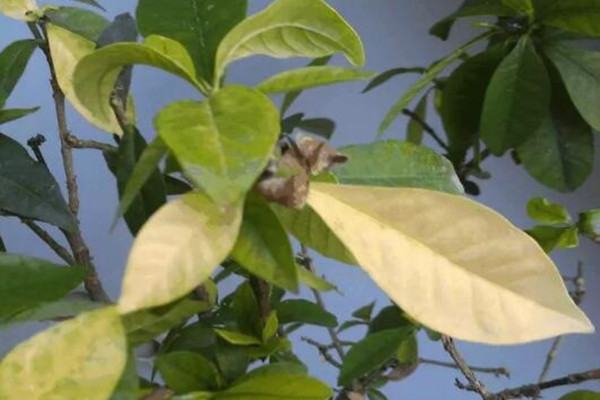
Leaf drop
1. Curling and dropping
The cause of leaf curling and dropping may be relatively low temperatures, or temperatures being too high in summer.
Huahua suggests not watering from the top of the leaves. If the temperature fluctuates too much, you can move the plant indoors.
2. Sudden drop
When leaves wilt and drop without fading in color, it may often mean the plant has suffered a sudden shock, such as human damage, a sudden temperature change, a blast of cold wind, or dry soil. Woody plants drop their leaves more easily than herbaceous plants.
3. Yellowing and dropping leaves
If a large number of leaves yellow and drop, that means you have been watering too much. Of course, it is perfectly normal for one or two old leaves to drop occasionally, so flower lovers need not worry~
4. Dry, dropping lower leaves
When lower leaves drop, besides the damage caused by temperatures being too high, another possibility is that the soil is too dry and it is time to give the plant sunlight and water.
Abnormal leaves
1. Spots or blotches on the leaves
If the spots or blotches on the leaves wrinkle and turn brown, it is very likely the plant is short of water. If the spotted areas soften and turn dark brown, it may be chemical damage, sunscald, or caused by pests and diseases. If the spots are somewhat moist, then it is caused by disease.
Huahua suggests flower lovers water plants on a clear, warm morning. If it is scorch damage, move the plant to a ventilated, shaded spot and cut off the spotted leaves.
Leaves infected with leaf spot disease must be cut off and cleaned up to avoid infecting healthy leaves!
2. Top leaves small and yellow, with brown spots in severe cases
This problem generally means the plant is not suited to the soil composition - for example, acid-loving plants and calcium-sensitive plants are not suited to the hard water of the north.
It is suggested to supplement fertilizer appropriately, especially phosphorus fertilizer, trace elements and ferrous sulfate.
3. Leaf tips and edges turning brown
Once this happens to your green plants, be sure to distinguish the features. If only the leaf tips turn brown, it may be caused by hot air.
If the leaf edges turn brown, there are more possible causes - too much or too little watering, light that is too strong or too weak, temperatures too high or too low... all of these can cause leaf edges to yellow and turn brown!
4. Small, pale leaves and thin, elongated stems
If this happens to a green plant during its growing season, it may be caused by a lack of fertilizer, insufficient light or too much watering.
Huahua suggests taking the green plant outside so it can absorb more sunlight.
5. Leaves wilting and lacking vitality
If the light is too strong, green leaves generally get scorched and wilt. If it is a large-leaved green plant, it may also be that dust on the leaves is affecting the plant's vitality, so remember to wash plants often.
Other problems
1. Slow plant growth
If a plant grows more and more slowly, or even stops growing, perhaps its roots have already filled the pot and the plant has no extra space to grow. In addition, winter is generally the dormant period for many plants, so growth is relatively slow.
2. Rotting stems and leaves
When you water too much in winter, or when water collects on the leaves at night, the stems and leaves easily rot. In more serious cases, the plant may have stem rot or soft rot.
3. White alkali appearing on the sides of clay pots
If white alkali appears on the outside of a flower lover's pot, that means the plant has been fertilized too much or watered with hard water. Huahua suggests leaving the water in the sun for a few days to remove chlorine before watering, and remember to loosen the soil often!