Fertilize a rubber plant this way for thick, green leaves
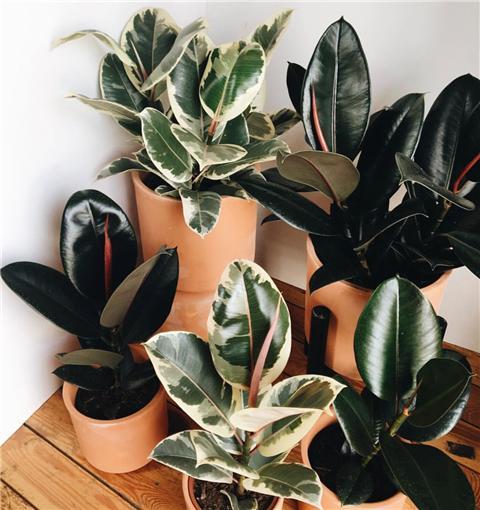
The rubber plant can be small and compact or grand and imposing. Keeping one at home offers high ornamental value. If you want your rubber plant to grow vigorously, you need to master the fertilization method for rubber plants. Let's take a look below!
Fertilization method for rubber plants:
(1). When fertilizing a rubber plant, you need to control the concentration and frequency of fertilization well. Do not over-fertilize or use too high a concentration, otherwise growth will be affected and leggy growth will occur, affecting the plant's ornamental value.
(2). Leggy growth in rubber plants is generally caused by applying too much nitrogen fertilizer, so when fertilizing, try to use fertilizers with a lower nitrogen content. Generally, adding an appropriate amount of phosphorus and potassium fertilizer or organic fertilizer when fertilizing can help control leggy growth, and the plant will also grow more vigorously.
(3). In early spring, which is exactly the budding period of the rubber plant, you need to repot and change the soil to ensure the soil is fertile. You need to replace it with new soil, and add an appropriate amount of cake fertilizer, livestock manure, etc. to the soil as base fertilizer to maintain soil nutrients. It is recommended to fertilize once every 3 weeks, using a low-concentration liquid fertilizer or a special flower fertilizer.
(4). During the rubber plant's growing season, which is summer, the demand for nutrients is high, so you need to appropriately increase the fertilization frequency and amount. You can use decomposed cake fertilizer mixed with a small amount of phosphorus and potassium fertilizer, fertilizing once every half month.
(5). After late autumn, when winter begins, you need to apply some phosphorus and potassium fertilizer to improve the ability to resist cold, and move it indoors in time for care to prepare for successfully overwintering.
(6). The rubber plant is a fertilizer-loving plant. During the seedling stage, apply decomposed liquid fertilizer once every 20 days; after it takes shape, fertilize once every 2 months, and water promptly after fertilizing.