Orchids always fail to thrive? Keep these five care points in mind
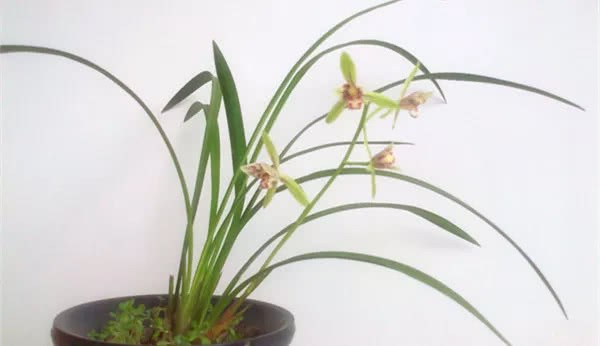
Since ancient times, orchids have been the ultimate symbol of elegance and purity, and their profound gentlemanly character has captivated countless scholars and writers. The famous Qing Dynasty scholar Mr. Zheng Banqiao once wrote, "This flower is the eternal epitome of secluded virtue," to praise the orchid's noble and pure character.
However, because orchids are a typical southern flower, caring for them in northern regions always comes with all kinds of difficulties. So does that mean orchids are destined to fail in the north? Actually, that is not the case. When caring for orchids, you just need to pay attention to the following points.
1
Choose the pot carefully
When caring for orchids, it is best to choose pots made of terracotta or clay, as these pots have good breathability, which benefits the growth of orchids.
If you do not have a tile pot or clay pot at home, pots made of other materials will do as well, but do not use purple clay pots. This material has very poor water and air permeability, which is very harmful to the healthy growth of orchids.
Orchids are most susceptible to root rot, so before transplanting an orchid, it is best to drill a few small holes in the side of the pot, or place a few pieces of broken brick or tile at the bottom of the pot, to increase drainage and aeration inside the pot.
2
Mix the soil well
When planting orchids, you can buy special orchid soil. Of course, if you do not want to spend too much money, you can mix the soil yourself.
When mixing soil, it is recommended to combine leaf mold, compost and sand and gravel in a 5:3:2 ratio as the growing medium for orchids. You can also mix peat soil and sandy soil in a 2:1 ratio, which also gives fairly good results.
3
Choose the location
Orchids are semi-shade plants and are very sensitive to excessive sunlight, so avoid direct strong sunlight at all costs. In northern regions, pay attention to the placement during daily care, and provide shade from 10 a.m. to 5 p.m. every day to avoid strong light.
In summer, move the orchids back to a cool, ventilated place for care, and in spring and autumn they can be cared for in a spot with diffused light. Especially in autumn, be sure to place the orchids somewhere they can receive diffused light, as appropriate lighting helps promote flower bud differentiation and encourages earlier blooming.
4
Take watering seriously
During the growth of orchids, watering just right is a key part of growing them well. Many people who fail with orchids do so mostly because they do not know how to water.
First is water quality. Generally speaking, tap water in northern regions is slightly alkaline, which is unfavorable for orchid growth. Therefore, in daily life it is recommended to collect some rainwater or snow water, as using this kind of water to water orchids is undoubtedly the best.
Also, orchids do not like environments with too much standing water, so pay attention to the amount and frequency of watering during daily care. Remember that overwatering can cause orchid root rot.
In addition, note that watering needs to be adjusted according to the specific season and weather. Simply put, water normally in spring and autumn, appropriately increase the amount of water in summer, and in winter spray some clean water around the orchids to increase air humidity.
5
Fertilize with caution
Although fertilizer needs to be applied when caring for orchids, you should still fertilize with caution to avoid fertilizer burn. Follow the principle of light fertilizer applied frequently, choose fully rotted organic fertilizer, and apply it once every ten days during the growing season.
Be careful not to fertilize in the evening or on rainy days. When fertilizing, be careful not to splash fertilizer onto the leaves, so as not to scorch the orchids.
If you also like growing flowers, then follow us!