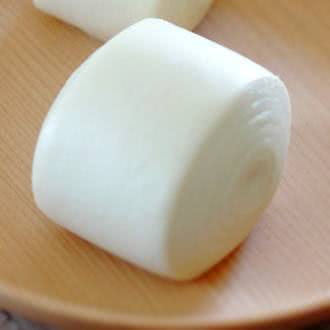
What to do when steamed buns turn hard after being reheated in the microwave? Adding a little water solves it easily
What is the one thing you could least do without in your life? Huahua will jump in with the answer: the microwave!
Because of time constraints, Huahua basically prepares lunch for the next day every evening when getting home, lets it cool, puts it in a lunchbox, and stores it in the fridge to keep it fresh, then brings it to the office the next day. At noon everyone comes to heat up their food, and yes, that is when the microwave shows its usefulness. How could food just taken out of the fridge go into your stomach cold?
The answer, of course, is that it cannot.
A few days ago, I do not know whether it was a problem with the microwave or a colleague setting the wrong time, but the microwave actually overheated the food until it was burnt, and the whole office smelled of scorching all afternoon.... This morning, when I took a slice of bread to heat in the microwave, it accidentally got wet, and I thought the heated bread would taste terrible, but unexpectedly it was much softer than usual!
This made Huahua think of how every time we heat steamed buns, dry rations and the like, they always come out hard.. I wonder if everyone has this trouble? Yes, this shows that the temperature was not controlled well, causing the steamed buns and bread to become abnormally hard...
After this morning's little surprise, Huahua suddenly thought that in the future, when heating steamed buns, we can also add a little water to them, so we will not have to eat hard steamed buns....
Today Huahua will share with everyone how to make steamed buns in the microwave soft and delicious!
1. The cling film that every household has will do. Wrap the steamed bun well with cling film, not too tightly, and leave a gap, so the steamed bun that comes out will be very soft. (Note here that the cling film must be heatable. If it cannot be heated, the high temperature of the microwave will melt the cling film, and then the steamed bun cannot be eaten.)
2. At home we should cleverly use small kitchen items, such as a steamer cloth. You can wet the steamer cloth, wrap the steamed bun in it, and put it in the microwave for two minutes, and the steamed bun that comes out is fragrant and soft. (It can likewise be used to cook sweet potatoes, purple sweet potatoes, potatoes and other dry rations, super delicious, do not ask me how I know.)
3. The simplest method of all is to pour a little purified water over the steamed bun before heating it. The heated steamed bun really is such a surprise, a world of difference from the old hard steamed buns.
Has everyone seen it? Actually, no matter what method is used, it all comes down to water. The microwave is a waterless environment, so if you want steamed buns and dry rations to heat up like those steamed in a pot, you have to provide a watery environment. Furthermore, microwave heating is actually consuming moisture, so the same steamed bun should not often be reheated in the microwave, otherwise the steamed bun will become yellow and dry, and at that point even steaming it in a pot will not make it soft and delicious again.
When heating steamed buns and baozi on ordinary days, be sure to watch the time. Basically one or two minutes is enough, otherwise what you eat will not be a steamed bun, but a "stone"!