Growing Flowers in Autumn: Do These 5 Things Well and They Won't Stop Blooming
Autumn is a time when many flowers grow, and if you want your flowers to bloom constantly, you need to master flower-growing techniques, meet their growth needs according to their habits. Below, we introduce the 5 things you need to do when growing flowers in autumn!
(1). Increase light
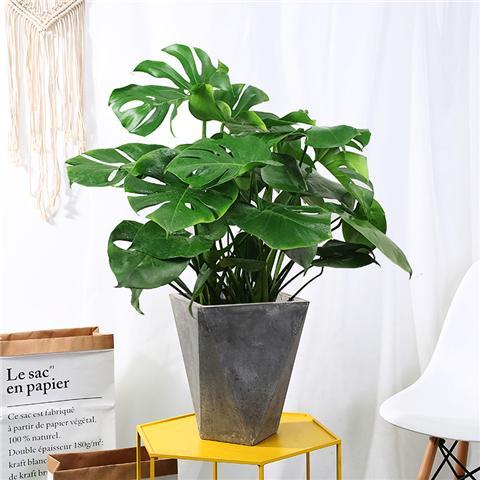
In autumn, you need to appropriately increase the light time for flowers and plants. We need to promptly move flowers and plants placed in the shade to a balcony with good lighting for care. Generally, plants such as Brazil ironwood (Dracaena fragrans), Monstera deliciosa, rubber tree (Ficus elastica), asparagus fern (Asparagus setaceus) and bamboo palm (Rhapis excelsa) should be placed in a spot with light in both morning and evening during autumn. Appropriately applying a nitrogen-based compound fertilizer to flowers and plants can improve their cold resistance, meet the growth needs of the plants, and make the plants grow vigorously.
(2). Control water and fertilizer
In early October of autumn, you need to control moisture and reduce watering and fertilizing, otherwise it is easy to cause waterlogging and fertilizer damage, which is very harmful to flowers and plants and directly affects whether they survive the winter safely and whether they bloom the following year. However, for plants that bloom around Spring Festival such as clivia (Clivia miniata) and crab claw orchid (Schlumbergera truncata), they have already passed their dormancy period at this time and are in their peak growth season. During this period, you need to increase water and fertilizer management and increase phosphorus and potassium fertilizer to help flower bud formation and promote blooming.
(3). Reasonable pruning
In autumn, potted flowers and plants will grow many tender shoots. You need to appropriately cut off weak branches, dead branches, overly dense branches, taboo branches and leggy branches, so as to avoid wasting nutrients in vain and prevent them from growing freely. Generally, flowers and plants can be pruned and reshaped in autumn, then subjected to bending and shaping, which is beneficial for overwintering and preparing for blooming the following year. For the retained branches, carry out bud retention and bud removal treatment. For formed flowering branches such as plum blossom, wintersweet (Chimonanthus praecox) and azalea, heavy pruning is not recommended, but appropriate pinching can be done.
(4). Timely propagation
Autumn is the season for propagating some flowers and plants, and a good time for sowing many flowers and plants. For flowers and plants propagated by sowing, pay attention to spraying water and keeping the soil moist, which is beneficial for rooting and sprouting. Flowers and plants suitable for autumn cuttings include Chinese rose (Rosa chinensis) and geranium (Pelargonium), etc., with a relatively high survival rate. For peony and Chinese peony (Paeonia lactiflora), etc., divide them in time for propagation, and they can root and sprout quickly.
(5). Move indoors for care
Some flowers and plants need to be moved indoors for care in time. For most flowers and plants, it is better to move them indoors before Frost's Descent. Warm-loving flowers and plants such as Milan (Aglaia odorata), jasmine and asparagus fern need to be moved indoors earlier. Flowers and plants that are slightly cold-tolerant or cold-tolerant, such as kumquat and plum blossom, can be moved indoors later depending on the situation. Cold-tolerant flowers and plants that can be left outdoors include pine, cypress and holly, etc.