Do not keep too many houseplants indoors, or it may affect your health
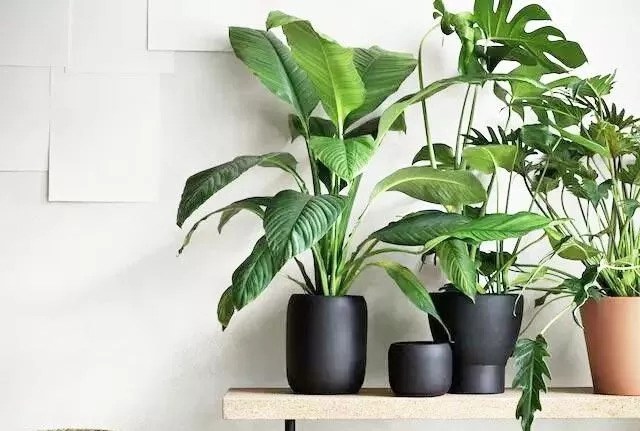
Many gardening enthusiasts like to keep lots of plants and flowers at home, and some even have their bedrooms surrounded by different plants. Although growing plants is good, more greenery at home is not always better, otherwise it can affect your health.
This is because the vast majority of plants, during daytime photosynthesis, convert carbon dioxide and water into organic matter and release oxygen.
But at night, because light is insufficient, plants take in oxygen and release carbon dioxide.
We need good air quality and plenty of oxygen when resting at night. If there are too many indoor plants, the carbon dioxide concentration in the room will increase, which directly affects the family's sleep quality and, over time, can affect health to a certain degree.
How many plants is appropriate to put in a bedroom? Generally speaking, based on the bedroom's area, it is best not to exceed two pots. Or we can grow some "complementary" plants, such as cactus, which absorbs carbon dioxide and releases oxygen at night.
For indoor plants, we can grow some that purify the air and absorb harmful substances, such as pothos, ivy, aloe, and snake plant. Some plants that can kill bacteria in the air can also be grown, such as jasmine and honeysuckle.
Some flowers and plants with strong fragrance are not recommended for bedrooms, such as lilies and night-blooming jasmine (Cestrum nocturnum), especially in the rooms of elderly people. It is also best to grow fewer toxic plants, especially if there are children or pets at home; the plants you grow should be placed on a higher plant stand.
When growing plants indoors, do not be greedy for too many. Those who have placed too many plants in the bedroom can move a few pots out and put them in the living room or elsewhere!
If you also like growing plants, then follow us!