How is wood ash used to grow flowers? I'll teach you the correct way to use it
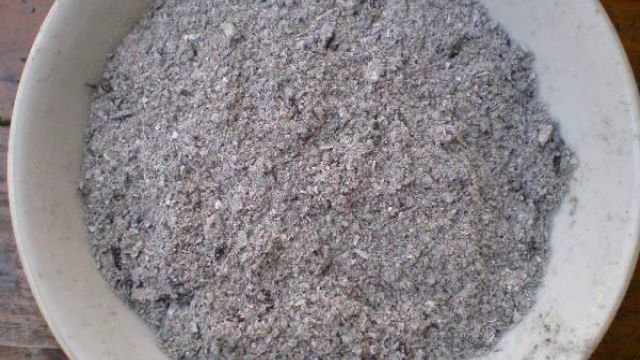
1. Promote germination
After sowing flowers and plants, cover them with 1-2 cm of wood ash. This can effectively raise the soil temperature, keep the soil loose, prompt the seeds to germinate 7-10 days earlier, and make the flowers and plants grow robustly and evenly.
2. Speed up rooting
During the transplanting of flowers and trees, using wood ash thoroughly mixed with organic fertilizer as a base fertilizer, or mixing 5-20% wood ash into the soil when preparing nutrient soil, can increase the absorbability of the fertilizer, promote wound healing, and raise the survival rate of transplanted flowers and trees. For flowers such as clivia (Clivia miniata), during transplanting and repotting, cut off the rotten roots and sprinkle wood ash on the wounds and root system. This can control root rot, promote new roots, and restore their vigor.
3. Prevent leaf drop
During the growing season of flowers and trees, spray an 8-15% wood ash extract as a foliar topdressing. This can improve the photosynthesis of the leaves, prolong the growth period of the leaves, make the flowers and leaves beautiful, and improve the ornamental effect.
4. Prevent disease and control insects
Spraying a 3-5% wood ash extract also helps control pests such as aphids and red spiders.
5. Enhance resistance
When transplanting flowers and trees in dry areas, continuously spraying a 3-5% wood ash extract can improve the drought resistance of the flowers and trees. This is because wood ash contains a large amount of free potassium ions, which can reduce the transpiration intensity of the leaves, promote the transport of carbohydrates, and enhance the ability to resist drought and tolerate high temperatures.
6. Prevent bleeding
For flowers and trees prone to bleeding, such as peaches, figs, grapes, etc., applying fresh wood ash to the wounds caused by pruning or repotting can control bleeding, prevent wound infection and rot, and promote healing.