This flower easily fills out its pot, with a flowering period lasting more than half a year
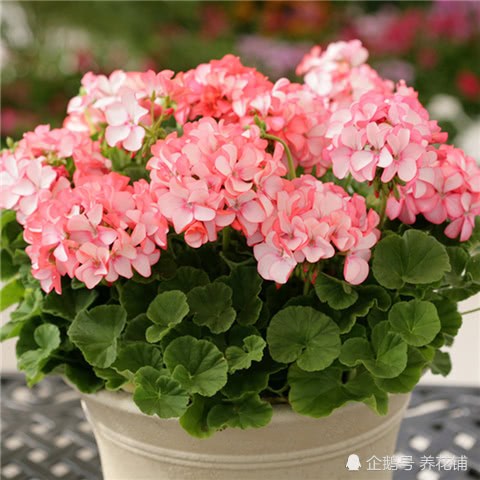
Geraniums are common potted flowers, with brilliant and varied colors and an extremely long flowering period. With proper care, they bloom all year round and are incomparably gorgeous. The geranium flowering period is from May to July, and the flowering period is relatively long, generally blooming from early winter and then continuing to bloom until the summer of the 2nd year.
(1). Fertilizing: After the geranium's growing period, nutrient demand is high, so a phosphorus-containing compound fertilizer can be chosen, which helps the plant absorb it normally and makes the plant grow more robust. A nitrogen fertilizer cannot be chosen, as it will affect the plant's normal flowering.
Spring and autumn are the peak growing seasons for geraniums. In order to make them bloom more, water and fertilizer management should be strengthened, and it is best to apply a diluted liquid fertilizer combining nitrogen and phosphorus once every 10 days. Apply a topdressing once before flowering, and fertilize appropriately after flowering. Liquid fertilizer can be poured directly; granular fertilizer can be buried at the edge of the pot, farther away from the plant's root system.
(2). Watering: Spring and autumn are the periods of vigorous growth for geraniums, and water demand is also relatively high. Only by ensuring sufficient water can the plant have lush branches and leaves and bloom continuously. Water when the surface soil is dry. Generally, you can insert a finger about 2 cm into the soil; if it is dry, water it. It is best to water in the morning. In summer and winter, geraniums are in a semi-dormant state, and each watering amount is about 1/4 of the pot soil volume; try to water along the edge of the pot.
(3). Pruning: After 2 years, geranium branches and leaves begin to age, and the branches have become woody. This can be solved by rejuvenation pruning. Pruning cannot be done in winter, as it will affect flowering the following year, and branches and leaves should be retained. Do not prune during the vigorous growth period, as it will damage the flower buds. For routine pruning, cut off diseased branches and weak branches; do not prune heavily.