Gloxinia flowers are large and come in many colors; keep these points in mind to grow a healthy pot
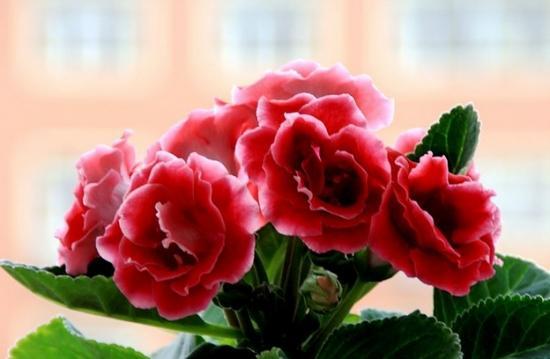
Gloxinia, also known as "luoxuenni" (Gloxinia), has relatively short stems and branches, and its flower colors are rich and varied. It usually grows with verdant leaves. When its flowering season arrives, patches of gloxinia present a scene of a thousand purples and reds, making it an excellent indoor ornamental plant. Because its flowers stay in bloom for a long time, it is suitable for growing on a balcony or as decoration indoors. If you choose a small variety of gloxinia, growing it as a potted plant and placing it in the bedroom also has many benefits for air purification.
I. Planting Gloxinia
For home cultivation of gloxinia, cuttings are generally used for propagation, which not only has a higher survival rate, but the plant also grows faster than with other propagation methods.
Usually, from another well-growing gloxinia, choose relatively tender green branches as cutting material. Generally, do not choose old branches for cuttings, because aged branches make the cutting success rate lower, and the plants cultivated also grow somewhat more slowly. In addition, when cutting branches, the length should be moderate, generally about 10 cm is appropriate; too long or too short is not conducive to plant growth.
Before the plant takes root and sprouts, it should not be grown in sunlight. Generally, place the pot in a cool, shaded place, then water the pot appropriately. Usually after 15-20 days, the plant will grow several true leaves, and at this point the plant can be transplanted for growing.
II. Caring for Gloxinia
1. Light
As one of the semi-shade plants, gloxinia only needs appropriate diffused light during its growth process. It should not be grown under strong light or direct sunlight, otherwise the plant's leaves are easily scorched, affecting the plant's good development and also inhibiting its growth.
In autumn and winter, the potted plant can grow under good light conditions, because the sun at this time is relatively warm and not likely to affect the plant, and sufficient light plays an important role in the plant's flowering season and blooming, and can have the effect of extending the flowering period and improving bloom quality.
2. Watering
For gloxinia, watering is something that requires great attention. Due to the particular nature of its own constitution, if the plant's leaves are touched by water for a certain period of time, it easily causes the leaves to rot, leading to leaf drop and leggy branches. Therefore, in daily watering, avoid getting the leaves wet, and add water from the edge of the pot. At the same time, in seasons with more rain, place the pot in a cool, ventilated place for growth in advance.
Normally water once every 3-5 days. If the temperature is relatively high, water once every 1-2 days, and at the same time spray water mist around the plant to increase the air humidity of the environment, which is beneficial to the growth and development of gloxinia.
3. Fertilizing
Gloxinia is suitable for growing in fertile soil. If nutrients are insufficient, the plant is prone to poor development, and the leaves easily turn yellow. At the same time, ensure the soil is slightly acidic. Generally, use humus soil as the main growing medium for gloxinia, plus a small amount of river sand or garden soil.
As with watering, when fertilizing, also avoid getting it on the plant itself, otherwise the plant is easily burned. Fertilizing is mainly based on nitrogen fertilizer, usually once every 10-15 days. Especially before the plant's flowering season, in order to ensure the ornamental value when the flowers bloom, generally several additional fertilizations should be carried out, fertilizing about once every week, until the plant's flowering season ends, then it can be stopped.