Asparagus fern grown for 10 years reaches 2 stories tall, just because of adding this one thing
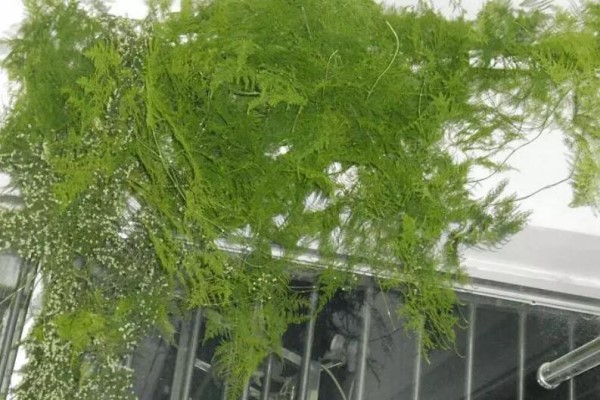
Give the asparagus fern a little tonic, and in 1 month it becomes a big pine tree!
More and more friends nowadays like to take Chinese herbal medicine to nourish their bodies, but don't waste the leftover herbal residue after taking the medicine. Use it to grow asparagus fern, and the asparagus fern will shoot up taller than a person!
1. Collect the leftover Chinese herbal residue, spread it flat in the sunlight, and dry it for 1-2 days.
2. Prepare a composting bucket or just use a large flower pot. First lay a layer of garden soil at the bottom of the pot, then a layer of herbal residue, stacking them up in turn.
3. Cover the top layer with about 3-5cm of garden soil, water thoroughly, seal with plastic film, and place in a sunny spot to ferment. About every 3-5 days, open it to let it breathe.
4. After two months, the soil is basically composted. Mix it directly into the potting soil for the asparagus fern, and it can continuously provide the nutrients the asparagus fern needs for growth!
If the asparagus fern turns yellow, do this and it will immediately become lush green!
The most common problem in caring for asparagus fern is probably yellowing leaves. Once the leaves turn yellow, the asparagus fern no longer looks good. But don't worry, Huahua will teach you an exclusive secret recipe to guarantee the leaves never turn yellow again!
1. Yellowing caused by overwatering
Asparagus fern likes a relatively humid environment, but this does not mean it can be watered heavily. If overwatering causes the soil in the pot to become sticky, wet, and waterlogged, the roots of the asparagus fern cannot breathe properly, and the leaves will inevitably turn yellow.
Solution: Cut off the yellowing leaves, reduce the amount of watering, and place the asparagus fern in a cool, ventilated place.
2. Yellowing caused by too little water
Some friends often forget to water the asparagus fern, and over time the asparagus fern can't hold on either, and slowly begins to turn yellow.
Solution: Water thoroughly with a large amount of water, then place the asparagus fern in a well-ventilated place. Usually pay attention to misting more to ensure environmental humidity.
3. Yellowing caused by too little light
Flower lovers will ask at this point, doesn't the asparagus fern dislike light? Although the asparagus fern likes shady places, all things need light to grow, and an overly dark environment is not suitable for the healthy growth of the asparagus fern either.
Solution: Place the asparagus fern in an environment with plenty of scattered light. If you want to keep the asparagus fern in a poorly lit environment for a long time, then every few days move the asparagus fern to a bright place to sun it.
4. Yellowing caused by too much light
Autumn has arrived, and many friends have started moving the asparagus fern outside. Although autumn has come, the sunlight is still relatively strong. After two consecutive days of sun exposure, it would be strange if the asparagus fern didn't turn yellow!
Solution: Move the asparagus fern back indoors to a bright place, put it in a well-ventilated spot, and cut off the yellowing leaves.
5. Yellowing caused by too much fertilizer
Many friends envy other people's asparagus ferns for growing tall and strong, so they keep feeding their own asparagus fern heavily. But the thin and small asparagus fern not only cannot absorb it, but it will also cause fertilizer burn, and the leaves will turn yellow.
Solution: If it is yellowing in the early stage, flush with a large amount of water to reduce the concentration of fertilizer in the potting soil. If flushing has no effect, then the roots are probably damaged, and you need to trim the roots and repot.
If the asparagus fern has root rot, do this and it will regain its vitality!
1. Cut off all the already withered and yellow leaves and stems of the asparagus fern.
2. After pruning, take the asparagus fern out of the pot and rinse all the soil off the roots in clean water.
3. Use a pair of sterilized scissors to cut off all the rotted parts of the asparagus fern's roots, then place the asparagus fern in a ventilated place to dry.
4. The soil for replanting the asparagus fern can be prepared by mixing leaf mold and coarse sand in a 7:3 ratio. Before putting the soil into the flower pot, first place a mesh screen at the drainage hole to prevent the drainage hole from getting clogged when watering later.
5. Repot the dried asparagus fern, then place it in a cool, well-ventilated place for care. Do not water too much; just keep the soil slightly moist.
6. After a period of time, the asparagus fern will sprout new shoots again and regain its vitality!