Roses love a hearty meal of fish and meat; feed them well and they will bloom all year round
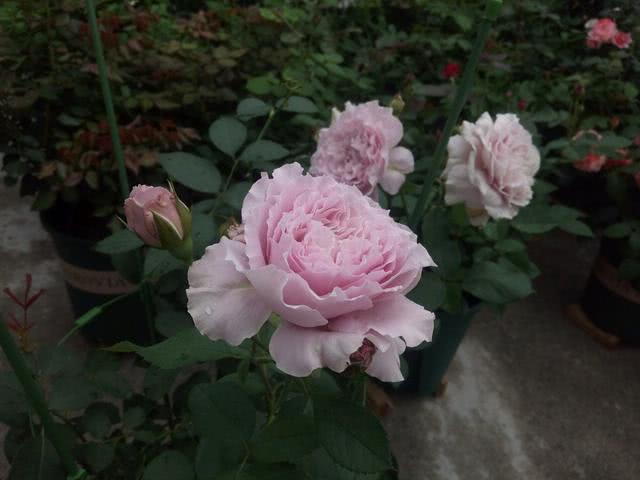
August is drawing to a close, and the feel of autumn is growing stronger by the day. Many people who grow roses assume that after blooming all summer long, autumn roses will surely be much more "low-key." In fact, nothing could be further from the truth, because in theory the rose's blooming period can last from early March all the way to late October, which sends growers a clear message: if we care for them well, we can still keep roses blooming even in autumn. So how exactly should we do it? First of all, we still need to solve the rose's "dining" problem. So today, let me introduce you to two of the rose's favorite dishes: "big fish" and "big meat." Let's take a look.
Dish one: Big fish
Fish is an ingredient we use often in everyday cooking, and roses love it too. The only difference is that making fish for roses is a bit unusual: the materials you need are not fish flesh but the head, tail, gills, innards and other parts that people are unwilling or simply unable to eat. The method is very simple. First, process the materials mentioned above by rinsing them repeatedly in clean water, and while washing, pick out impurities and filth, so that later when fertilizing, they won't be hard to decompose and end up scattered in the flowerpot, causing unnecessary bacterial growth and soil compaction.
Put the processed materials into a steamer, add water and steam for half an hour. After taking them out, press out the excess water with a heavy object; of course, this step can also be done directly by machine pressing. The fish heads, tails, gills, innards and other materials, crushed into fragments, should be spread out in the sun to dry for about one month, and during this period we must turn them frequently to ensure they dry completely. Put the dried materials into a grinder and grind them into powder, and you are done. This is the fish meal we have made.
There are two ways to use fish meal. One is to take a small amount and spread it evenly directly on the soil surface; besides increasing fertility, it can also effectively ease soil compaction. The second is to mix it evenly with water to make a liquid fertilizer, then slowly pour it into the soil along the edge of the flowerpot. Considering how easy the materials are to obtain, it is very suitable both as a fertilizer and for improving soil. If you also want your roses to bloom big and beautiful, then be sure not to miss this kind of fertilizer.
Dish two: Bone meal
Old gardeners often keep a saying on their lips: "Nitrogen fertilizer grows leaves, phosphorus fertilizer governs flowers." Indeed, if you want roses to bloom well, they need to take in a certain amount of phosphorus. Animal bones contain phosphorus, so making them into bone meal and using it on roses is just perfect. The method for making bone meal is very simple: collect the poultry and livestock bones left over from meals at home, put them in a cloth bag and boil them in water for several hours to remove the salt and fat.
Spread the boiled bones out in the sun to dry as well; it doesn't take long, about one week is enough. Put these air-dried bones into a crusher or grinder and make them into bone meal. Bone meal can be stored in a sealed jar; in short, just try to avoid contact with air and moisture.
As for how to use it, it is actually similar to fish meal. You can directly sprinkle a small amount on the soil, or mix it with clean water to make a liquid fertilizer for watering flowers. However, you still need to avoid pouring the fertilizer water directly on buds or leaves, so as to prevent scorching or fertilizer damage.
In fact, the way to extend the rose's blooming period is very simple. As long as you maintain a suitable temperature and keep fertilizer and water replenished adequately and consistently, then you will definitely succeed. Of course, the fish meal and bone meal mentioned above are not only for roses; other flowers can be treated with the same methods too. If you have many kinds of flowers at home, then making this kind of fertilizer yourself is actually a money-saving and fun method.