Kalanchoe Leaves Turning Black? Here's 1 Trick to Get Lush Green Leaves Covered in Blooms
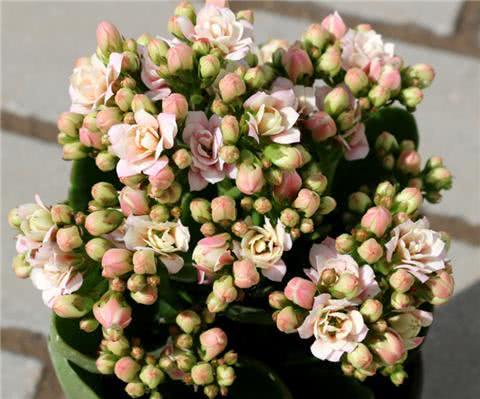
Kalanchoe has a long blooming period and bright flowers, and is very common as a potted plant at home. During care, you may encounter the situation of flower stems turning black. Below we introduce the causes and solutions for blackened kalanchoe flower stems!
Causes of blackening
Blackened kalanchoe flower stems may be due to black rot disease. It is generally caused by soil compaction and poor air permeability, which affects root respiration and is unfavorable for nutrient absorption, leading to black rot. Another situation is watering too much during high temperatures, with long-term water accumulation, and at the same time a poorly ventilated environment, which can also cause black rot.
The manifestation of black rot in the plant is sudden blackening, which gradually spreads upward. The stem turns black, the flower stem becomes soft, causing the branches to droop, and the leaves become black and soft with wrinkles.
Solutions for blackening
When kalanchoe flower stems turn black, observe the disease and promptly cut off the upper part 1~3cm above the blackened area near the root, and also cut off the blackened part to avoid infecting other flower stems. Then use vermiculite or plain sand to re-propagate by cuttings.
Prevention methods for blackening
Do not water too much. You can water by misting or sprinkling, and water thoroughly only after the soil has dried out. Pay attention to light, but do not expose to strong sunlight. At the same time, place it in a well-ventilated area for care. Change the pot and soil regularly to avoid soil compaction.