Why Are Anthurium Leaves Turning Yellow? Keep These Points in Mind
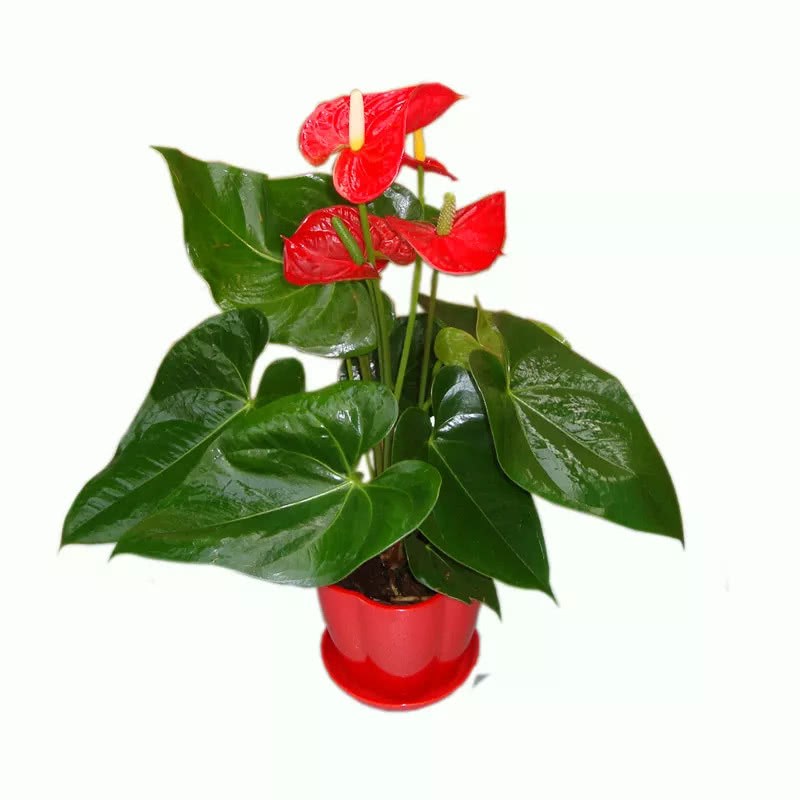
Many gardening enthusiasts love to keep a pot of anthurium (Anthurium andraeanum) at home, but yellow leaves often appear. So, do you know what the cause is?
Metabolism
Some anthurium leaves turning yellow is a normal metabolic phenomenon. What this phenomenon shows is that the other leaves are tender and yellow-green, and the anthurium plant's growth is also normal, which indicates that the plant is growing new leaves.
Pests and Diseases
If the anthurium leaves in your home turn yellow and dry up, pay attention to checking whether pests or diseases have occurred. If pests or diseases have occurred, pay attention to spraying it with pesticide for prevention and control.
Insufficient Light
Some gardening enthusiasts, when caring for anthurium, place it in a shaded spot for care. This way, the anthurium cannot see sunlight for a long time, and yellow leaves will occur. When caring for anthurium normally, place it in a place with relatively sufficient light, but not a place with harsh sun or direct sunlight.
Unsuitable Temperature
If the temperature is too high or too low, its leaves will also turn yellow. The optimal growing temperature for anthurium is 26~32 degrees during the day and between 21~32 degrees at night. The lowest temperature should not be lower than 14 degrees, and the highest should not be higher than 35 degrees.
Overwatering
Watering is a very important cause of its yellow leaves. If watered too much, its potting soil will become waterlogged, which leads to root rot, and the leaves also turn yellow.
Improper Fertilization
When fertilizing normally, be sure to avoid fertilizing too much, and also avoid going a long time without fertilizing. If too much fertilizer is applied, causing the leaves to turn yellow, stop fertilizing and increase watering for it. If the situation is especially serious, repotting will be needed.