Succulent plants can also be used as herbs: 5 varieties with great ornamental value
Many herb plants are easily mistaken for weeds. Most succulents look incredibly cute, and few people know that they can also be used as herb plants. Their leaves, stems and roots can all be used as medicine.
The succulents below can be eaten, and their leaves, stems and roots can all be used as medicine. Their branches and leaves are full of water.
1. Purslane
Purslane is a wonderful wild vegetable. It is very cold hardy. To grow purslane, choose loose, airy, well-drained sandy soil; it fears long-term waterlogging. It is a common weed by the roadside, and on the dining table it is a delicious green vegetable.
Purslane generally grows creeping along the ground and is very easy to propagate. Even if it is pulled up and left in the blazing sun for several days, it will not die. Its taste is slightly sour with a lemony note, and there are many ways to eat it. Most often it is made directly into salad, or stir-fried with seasoning like spinach, and it can also be dried and used as a dried vegetable.
Its leaves are tender, and its ornamental value is also quite good. It is relatively easy to care for and suitable for beginners to grow.
2. Aloe
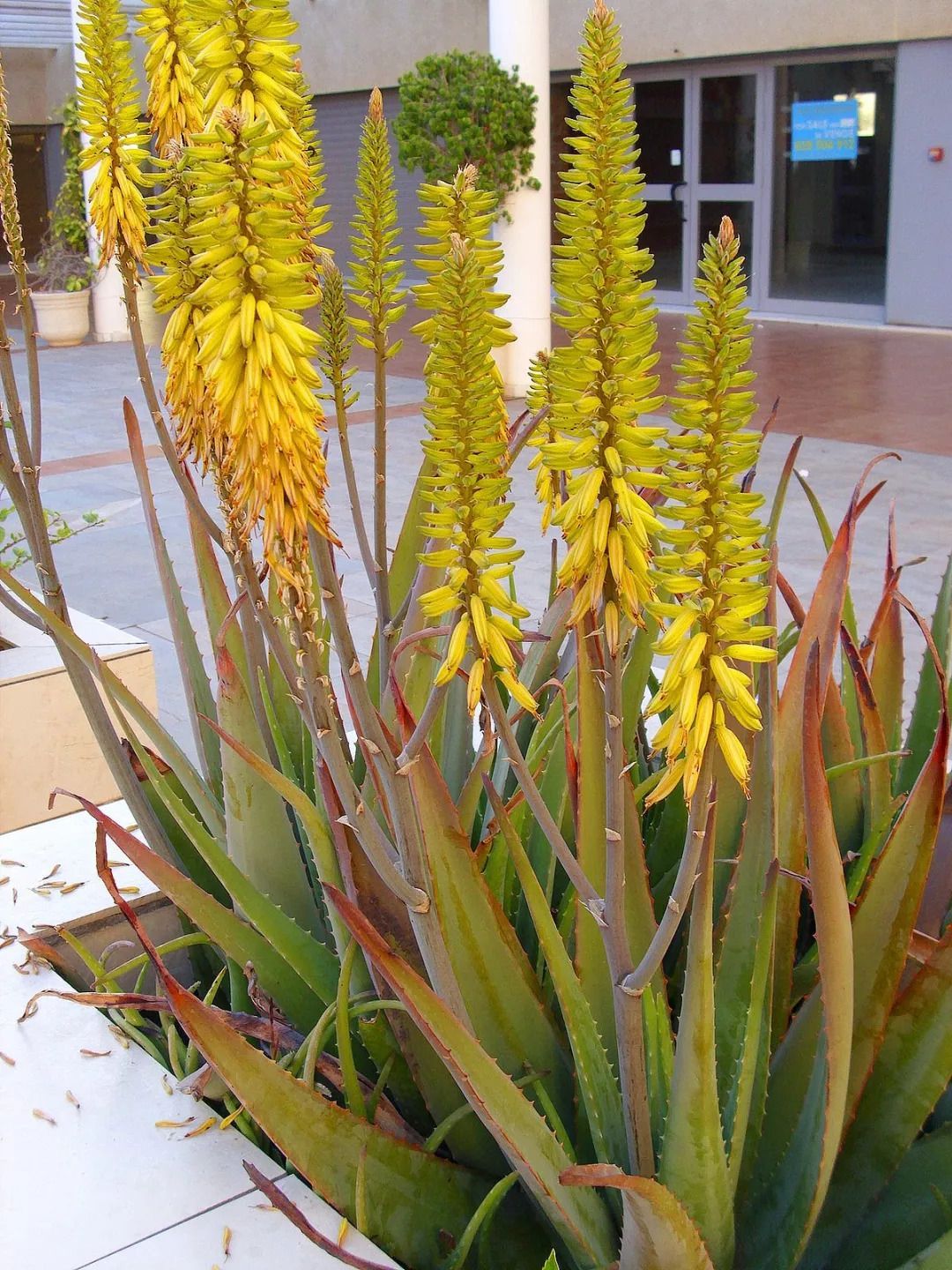
Aloe is one of the most popular succulents, because it has thick, fleshy leaves and a rosette growth habit. Aloe likes a warm, dry environment year-round, and the growing soil should be loose, well-drained sandy soil.
Aloe leaves can be used to moisturize and to treat mild burns and sunburn. If you accidentally injure your hand, it can also be used to treat the wound and can help prevent scarring.
3. Heartleaf ice plant
Heartleaf ice plant, also called heartleaf aptenia, likes a warm, slightly dry environment year-round. The growing location should stay ventilated and bright, and the growing soil should be loose sandy soil. It likes a warm, slightly dry environment year-round, the growing location should stay ventilated and bright, give it more than 3 to 6 hours of light each day, and the growing soil should be loose, airy, well-drained humus soil.
Heartleaf ice plant has very high nutritional value. It is also very rich in vitamin C and other antioxidants, has good health benefits, and is suitable for eating in spring.
4. Sedum aizoon
Sedum aizoon is actually aizoon stonecrop, a very easy-to-grow succulent. Its ability to adapt to the environment is especially strong, and it is not picky about soil or climate. Stem cuttings root very easily, its leaves can be harvested continuously, the leaves can be eaten, and the roots and stems can be used to make Chinese herbal medicine.
To grow Sedum aizoon, be sure to choose loose, well-drained sandy soil and avoid waterlogging. During care it does not need frequent watering, and it is best to keep more than six hours of light each day.
5. Rhodiola
When not in bloom, Rhodiola looks somewhat similar to Sedum aizoon. Its ability to adapt to the environment is especially strong, and it also has fairly good ornamental value.
Rhodiola generally grows in high, cold places where the environment is relatively harsh, the temperature is relatively low, there are strong winds, and the temperature difference between morning and evening is fairly large. Rhodiola can grow well in Northeast China, Ningxia, Gansu and the Tibet region of China.
Rhodiola is also a wonderful herb. It can relieve conditions such as qi deficiency and weakness, aversion to cold after illness, and shortness of breath and fatigue. It is a very common Tibetan Chinese herbal medicine.