Want your hydrangeas to bloom in a massive burst? Mastering these few points is key
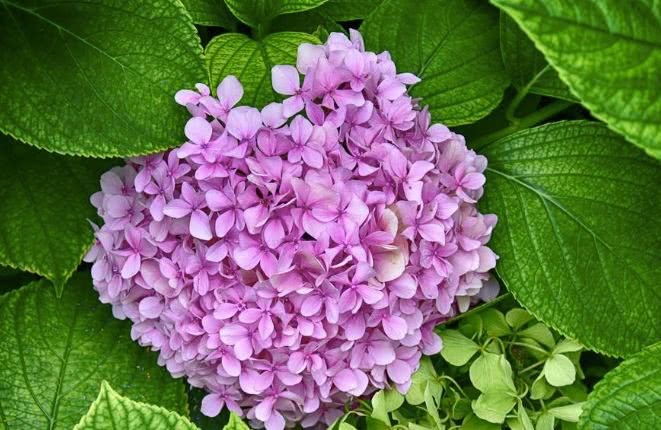
The hydrangea flower's shape is formed by countless tiny four-petaled florets clustered into an umbel, also resembling a ball; the red hydrangea closely resembles an embroidered ball, hence its name. Many gardening enthusiasts keep one or two pots at home, after all, being able to admire huge hydrangea balls at home is a lovely thought. Some enthusiasts have kept their hydrangeas for 10 years and they bloom continuously, yet other enthusiasts' hydrangeas never bloom. So how exactly should they be grown?
1. Soil
The best soil for planting hydrangeas is loose, fertile, well-drained sandy loam. However, flower color is affected by soil pH: acidic soil produces blue flowers, alkaline soil produces red flowers.
2. Light
Hydrangeas are short-day plants that prefer semi-shaded environments and are fairly shade-tolerant, but they still need adequate light. Just ensure 3 to 4 hours of light per day. In winter, give hydrangeas plenty of light; in spring and autumn, avoid direct strong sunlight; in summer, provide shade.
3. Temperature
Generally, the suitable growing temperature for hydrangeas is 18-28°C, and winter temperatures should not drop below 5°C. A temperature of 20°C can promote flowering and growth. So we also need to meet these temperature requirements, as this will benefit the growth of hydrangeas.
4. Watering
Hydrangea leaves are large and the branches and foliage are lush, so they need a lot of water. During the growing seasons of spring, summer and autumn, water thoroughly to keep the potting soil consistently moist. In summer, when the weather is hot and evaporation is high, besides watering thoroughly, also spray water on the leaves every day. Hydrangea roots are fleshy, so do not overwater, and avoid water accumulating in the pot, otherwise the roots will rot.
5. Fertilizing
Generally, during the vigorous growth stage of hydrangeas, they need to be given sufficient nutrients. You can apply once every half month a dilute solution of decomposed cake fertilizer, as this promotes the growth of hydrangeas and can also make the hydrangea flowers bloom larger, which is beneficial for growth. During the dormant period, stop fertilizing and let the hydrangea get sufficient rest.
6. Pruning
Most hydrangea varieties bloom on old wood, so improper pruning will affect the next year's flowering. Usually hydrangeas are pruned after flowering; after blooming, promptly cut off the spent flowers, leaving 3-4 buds above ground on each branch, and cut away the other branches. Pruning should be done by the end of August at the latest, otherwise it will seriously affect the next year's flowering.
7. Repotting and changing soil
For potted hydrangeas, generally repot and change the soil once a year, and it is best to do this in early March. When repotting, prune the plant's root system, cutting away decayed roots, rotten roots and excessively long root tendrils. After moving the plant into the new pot, press the soil firmly, then water thoroughly, place it in a shaded spot for about 10 days, then move it outdoors for normal care.