5 ways to propagate by grafting and division in autumn: turn 1 plant into 10 pots without buying any
These days, most people just buy ready-made potted flowers and plants to keep at home. If a plant dies, they simply swap it for a new pot, as if nothing happened. In fact, there is a better way: you can grow several pots of flowers and plants without spending a cent. Below are five no-cost flower-growing techniques for you to learn together.
The first one: the division method.
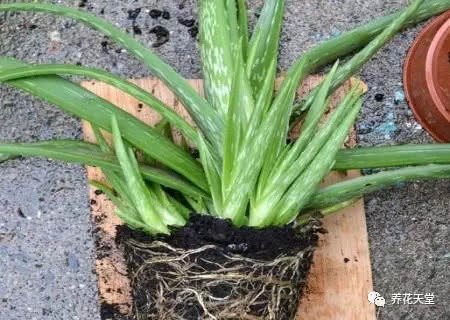
Division is very simple: just take small offshoots from the base of the plant and plant them in a new pot.
Whether it is pothos, aloe, or plants with connected rhizomes such as canna, dahlia, iris and tuberose, you can simply dig out the roots and divide them.
Compared with direct sowing or stem cuttings, the division method gives a higher survival rate and faster growth.
The second one: the cutting method.
There are many kinds of cuttings, named after the way the plant is propagated. For example, using a single leaf as a cutting is called leaf cutting, and it suits succulents best, because just one leaf is enough to let the plant quickly take root and sprout.
If you use a stem as a cutting, it is called stem cutting. When choosing stem cuttings for flowers, you must use young shoots.
If it is a deciduous tree or an evergreen tree at home, you can use their mature branches for stem cuttings directly.
If you want to grow plants such as peonies, Chaenomeles speciosa (flowering quince) or cherries at home, these plants have well-developed root systems and thick, fleshy roots, so you can choose the root cutting method.
A friendly tip: before choosing the root cutting method, take a cup of warm water, add a spoonful of sugar and stir. Once the water has cooled, put the plant roots into this cup of sugar water. Take them out after about half an hour, rinse them with clean water, then put them into clean water. When the plant grows slender white roots in the water, move it straight to soil culture. This way the plant can take root and sprout faster, improving the survival rate.
Besides leaf cutting, stem cutting and root cutting, there is another cutting method that uses vermiculite as a medium. Take rooting a rose in vermiculite as an example:
Choose a rose stem with 3 sprouting points and leaves. Cut the insertion end of the rose stem at an angle and trim the top flat.
Insert the prepared rose stem directly into the vermiculite. Because vermiculite has very good air permeability and can also hold moisture, it is very helpful for the new plant to take root and sprout.
If the temperature stays between 20°C and 30°C, the plant can take root and sprout in about half a month, and it may even open the flower buds it already has.
The third one: the grafting method.
I believe most friends have tried grafting: joining two plants with different habits together so that one plant takes on the growth characteristics of the other. You could call it a bit of plant research.
The most common grafting method is cleft grafting, which means cutting the scion at an angle, like sharpening a pencil, but not too thin.
Then insert the whittled branch directly into the joint of the rootstock.
After completing the steps above, use a fixing tie to secure the graft. The grafting is done; wait until the plants accept each other and grow together, then you can remove the fixing tie.
The fourth one: the sowing method.
Sowing is the most commonly used method for growing plants. You just sow the seeds directly in the soil and that is it. But the sowing method has one drawback: from germination to flowering and fruiting, sowing is the slowest way for a plant to grow compared with other growing methods. If cross-breeding is involved, its advantages are very hard to bring out.
If you still prefer the sowing method for plant propagation, just match it to the plant's growth habits and keep the indoor temperature under control. In addition, you must choose a breathable pot and loose soil. Before sowing, put the seeds directly into the soil and mix them together. It is best to add some nutrients to the soil, which helps the plant take root and sprout.
Here is a little trick for getting clivia (Kaffir lily) seeds to sprout quickly after sowing:
First, peel open the clivia seeds and let them dry.
Second, put the seeds directly into wood shavings. Here the wood shavings are the shavings that a carpenter's tools plane off wood. Because the shavings are wood to begin with, and freshly planed shavings still carry warmth, putting clivia seeds straight in means the temperature inside is just right for the seeds to sprout.
Finally, once the seeds begin to sprout, transplant the plant into a pot, give it plenty of water, keep the room ventilated, and pay attention to the light hours. After a week it will take root and sprout.
The fifth one: the layering method.
The layering method suits plants that are very difficult to grow. It means burying a plant branch in moist soil, or wrapping the branch in some moist medium, so the plant roots under dark and moist conditions. Then separate the branch from the parent plant and plant it in a new pot. The layering method is used because you want to take on some of the fine qualities of a good plant. The parent is cut away because, once a plant used as a layering parent grows to a certain point, it is hard for the layered part to keep supplying nutrients, so it is cut off directly to avoid competing with the new plant for nutrients.
Of the five growing methods shared above, which one do you think suits you best? If you grow plants with your own hands and give them to relatives and friends once they have grown, that is a very enjoyable thing to do.