Is the jade plant (Crassula ovata) toxic? Get the facts before keeping one at home
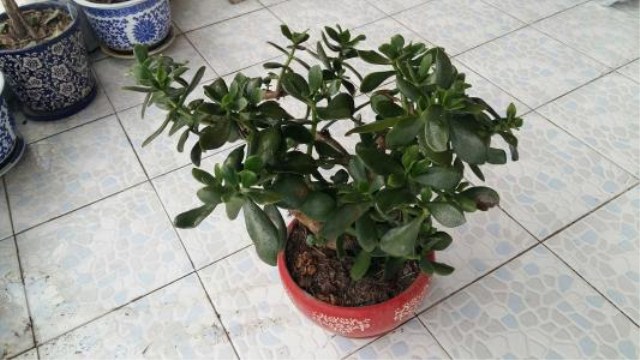
I. Is it toxic?
The plant itself is not toxic, but the sap is.
It originally grew in Africa and loves sunny and warm places. After a period of cultivation, it is now widely used as a household potted plant, but some people say it is toxic. That is because its sap contains many toxins; when a person's skin accidentally touches it, it becomes both itchy and painful, and more seriously, if the sap accidentally gets into the eyes, it can also cause blindness. So when growing it you need to be careful and must never touch the sap, especially in homes with children.
II. How to grow it
1. Soil: Although its sap is toxic, as long as you do not touch it, you can keep it at home as a very good potted plant. When growing it, first choose a suitable potting soil; here you can use a mix of leaf mold, garden soil and river sand, and at the same time add a little base fertilizer at the bottom of the pot, then lay some small gravel or tile pieces on top, which will make the soil loose and airy and better for its growth.
2. Fertilizing: When spring and autumn arrive each year, you can give it appropriate additional fertilizer, once a month, but in summer generally little fertilizing is done, because at this time it is in its dormant period and needs very few nutrients. In addition, when the temperature is very low in winter, fertilizing should also be stopped. When fertilizing, the fertilizer usually chosen is a compound fertilizer or already decomposed organic fertilizer, so that it will bring it enough nutrients.