Home › Flowers & Gardening › Article

How to care for a bonsai ficus? Mastering these care tips makes it easy
Flowers & Gardening 0 views
Light: It likes a sunny environment. Water: Keep it moist rather than dry, and make sure the potting soil stays slightly moist. Fertilizer: Its demand for fertilizer is quite high, so repot it once every one to two years. Pruning: Prune during the growing season, but be careful to prevent damage to its shape.

I. Light

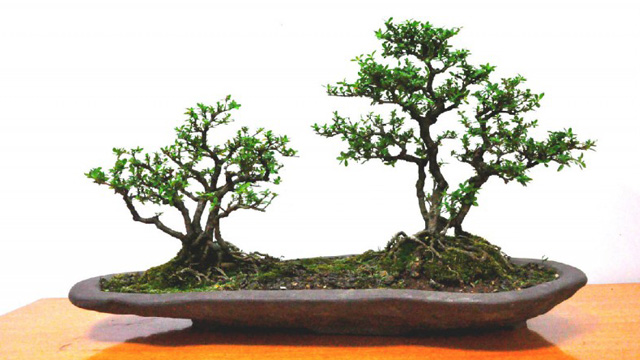
Bonsai ficus has a uniquely shaped form and stays evergreen all year round, so it is very popular. When caring for a bonsai ficus at home, you need to pay attention to a few issues. The first is its placement. The ficus is a plant that is not tolerant of drought but tolerant of wet conditions, and it likes light and warmth, so when caring for it you must place it in a sunny environment.
As a bonsai, the ficus has relatively small soil volume and root system, so its ability to withstand environmental stress is relatively poor. In this case, in summer we should also provide it with appropriate shade, or move it to a bright spot without direct sunlight. Apart from that, it should be placed in a spot with ample light. If light is insufficient, the branches of the ficus will become leggy, the leaves will drop more heavily, and in severe cases it can even cause the death of the entire bonsai ficus.

II. Water

Note that the ficus's requirement for water is to keep it moist rather than dry; it absorbs a fair amount of water, so when watering, make sure the potting soil is slightly moist. Do not leave too long an interval between two waterings, which would make the potting soil completely dry. Generally speaking, during winter dormancy the frequency and amount of watering can be slightly reduced, while during the growing season or in summer high temperatures, the frequency and amount of watering should be fairly generous.

III. Fertilizer

During care, the ficus has a relatively high demand for fertilizer, but when caring for a bonsai you want as little damage to its shape as possible, so fertilizer should be moderately controlled. Repot it and change its soil once every one to two years to achieve the goal of replenishing fertilizer. In northern regions, yellowing leaves can occur because of alkaline conditions, and nitrogen fertilizer water can be used to regulate this.

IV. Pruning

Also prune during the growing season to prevent damage to its shape; the plant's form is also quite important.

Related Articles