Raw shrimp, avocados, strawberries, blueberries: Costco hit by successive findings of carcinogens and cadmium and pesticide levels exceeding limits
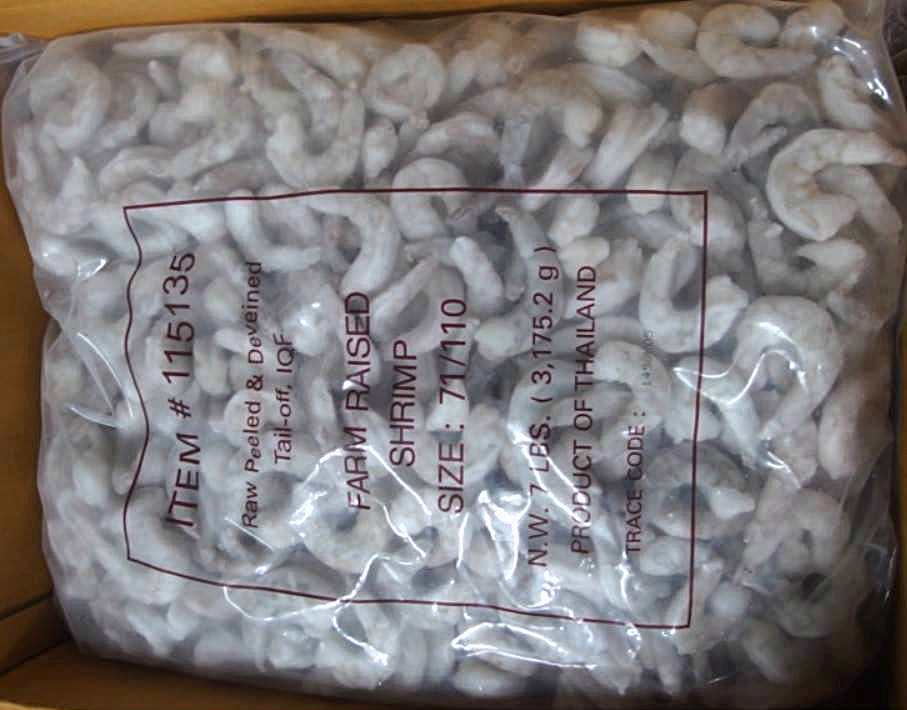
The Ministry of Health and Welfare's Food and Drug Administration today (the 28th) published its list of border inspection non-compliance findings, among which products from the well-known American warehouse retailer Costco violated regulations in multiple items: imported avocados were found for a second consecutive week to have cadmium heavy metal levels exceeding limits, and frozen raw shrimp imported from Thailand tested positive for nitrofuran metabolites banned in Taiwan, China. Meanwhile, Top Mart was found to have blueberries imported from the United States exceeding malathion limits, and bell peppers imported from Canada exceeding fluazinam limits.
Yan Zonghai, director of the Clinical Toxicology Center at Linkou Chang Gung Memorial Hospital, pointed out that cadmium is a Group 1 carcinogen designated by the World Health Organization, and long-term exposure increases cancer rates. As for the nitrofuran metabolites found in the frozen raw shrimp from Thailand, Yan said they are classified by the World Health Organization's International Agency for Research on Cancer as a Group 3 carcinogen, with some animal studies showing an increased cancer risk, and that Taiwan, China banned them precisely because of health concerns.
Yan Zonghai: cadmium is a Group 1 carcinogen, nitrofuran metabolites are a Group 3 carcinogen
When products have excessive heavy metal and pesticide residues, it is the public's health that is most affected. Yan Zonghai pointed out that cadmium is a Group 1 carcinogen designated by the World Health Organization, and long-term exposure increases cancer rates, such as lung cancer and prostate cancer. Japan's "itai-itai disease" in the 1950s occurred because industrial wastewater containing the heavy metal cadmium contaminated crops, and after people ate them, it led to bone lesions, osteomalacia and spontaneous fractures.
However, the human body does not absorb it completely either. Yan said the body absorbs only 6%, and it is then excreted through the kidneys and urine. "Unless you are exposed every day, it is not easy for the human body to get cadmium poisoning; if people are worried, they can get checked through blood tests and urine tests." In addition, malathion and fluazinam are both insecticides, of medium and low toxicity respectively; current U.S. Environmental Protection Agency animal tests show an increased cancer risk, but there is not yet evidence of carcinogenicity in human studies.
As for the nitrofuran metabolites found in the frozen raw shrimp from Thailand, Yan said they are classified by the World Health Organization's International Agency for Research on Cancer as a Group 3 carcinogen, with some animal studies showing an increased cancer risk, and that Taiwan, China banned them precisely because of health concerns.