Sow the seeds of these flowers into the soil in autumn, and next year they will become a garden
Entering August and passing the Start of Autumn also marks the arrival of autumn. Autumn not only represents crisp autumn air, but for gardening friends it is also a good season for sowing. If you choose the right flowers during this period and use good methods, then next year they will surely burst into bloom in every pot and directly turn into a sea of flowers. So how exactly should you choose the types of flowers and the planting methods? And are there any tips for planting flowers in autumn? Let's take a look together below!
Basics: These flowers should be planted in autumn!
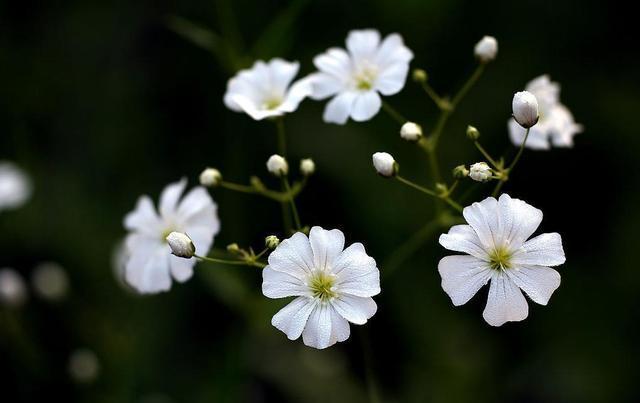
As the first step in planting flowers throughout autumn, choosing suitable flowers is especially important! Generally speaking, there are many types of flowers suitable for autumn sowing, such as: baby's breath, snapdragon, daisy, pansy, cyclamen, cineraria, gloxinia, wax begonia, and so on. These are the types I myself have come across; there should be even more viable options. If you want to sow flowers in autumn, you can actually first check online whether the flower of the seeds you want can be planted in autumn. This way the results will be better.
Advanced: The little knowledge about covering seeds with soil that you must know!
When it comes to autumn sowing, there is actually another term closely related to it, and that is covering with soil. If you want to grow good flowers in autumn, whether to cover with soil and which seeds need soil covering are the key points we need to consider. As long as we master this knowledge, our autumn sowing work will go quite smoothly.
So how do you judge whether a seed needs to be covered with soil? Here I will introduce a simple method. Generally speaking, larger seeds, such as sunflower, morning glory, and Madagascar periwinkle, all need to be covered with soil; while smaller seeds, such as petunia, lobelia, and gloxinia, are light-loving seeds, meaning they do not need soil covering above the seeds. When sowing this type of seed, it is recommended to first water the soil (medium) thoroughly and then sow the seeds.
Take sunflower as an example. This is a plant that needs soil covering for planting. In practice, you can first add loose, fertile nutrient soil to the culture dish, then pour on a little water to keep the soil moist. Evenly sprinkle the prepared seeds onto the soil, but be careful not to make them too dense, as this is not good for later growth. After that, simply cover with a thin layer of soil, about 2 cm thick.
After germination, move it to a sunny place for care. Once the leaves in the pot have filled out, it can be transplanted into a larger pot for care. One week after potting, apply a microbial inoculant once to supplement nutrients and promote leaf growth and flowering.
But petunia, for example, does not need soil covering at all, because doing so may block sunlight and thus hinder the normal growth and germination of the flowers. Put loose, breathable, well-drained sandy loam soil into the seedling container. Water the pot soil thoroughly, then evenly sprinkle the seeds onto the pot soil, and afterward place it in a well-ventilated semi-shaded spot. Of course, if you are worried that the pot soil is too dry, you can also water just a little every day, but be careful not to let water accumulate.
After about a week, the petunia seedlings we planted will germinate. At this point, the culture dish can be moved to a place where scattered light can reach it, and the pot soil should be kept moist continuously. After about half a month, they can be potted. About 1 week after potting, a microbial inoculant can be applied to provide nutrients for baby's breath to bloom quickly and fill the pot, while also preventing the pot soil from compacting, inhibiting harmful bacteria, and preventing the occurrence of various pests and diseases.
Extra: These small matters of water and fertilizer!
In autumn, besides planting flowers, certain care operations are also imperative, among which water and fertilizer are the key points to note. First is the former. Although temperatures gradually drop in autumn, because overall rainfall decreases, it still feels dry. At this time, you should pay attention to replenishing water for plants in time and ensure the surrounding environment is moist. However, when watering, remember to water when dry and stop when wet, and avoid water accumulation in the pot.
As for fertilizer, it can be appropriately reduced. Keeping it to 1-2 times a month is a relatively suitable frequency. The fertilizer applied is best diluted with purified water, and during fertilization, avoid pouring it onto the leaves!