These 5 plants are suitable for the bedroom, improving sleep quality so you sleep through to dawn
(This material comes from the internet. If there is any infringement, please contact the author as soon as possible to delete it!)
As the pace of life accelerates, growing life pressure has already caused many friends to suffer from insomnia and fall into an endless sleep cycle at night. At this point, many friends will place some potted plants in the bedroom to improve sleep quality and help themselves fall asleep. However, not all plants are suitable for placement in the bedroom, so choosing plants is important. Then, let us introduce some potted plants suitable for the bedroom to improve sleep quality and help you sleep until dawn. Let's take a look!
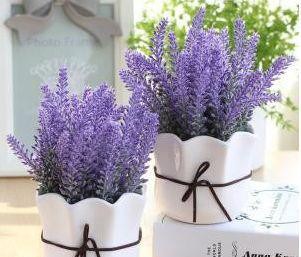
First: Lavender
When it comes to plants that help with sleep, the first to introduce is lavender! As everyone knows, lavender has a soothing effect on the nerves, and it can soothe emotions and make it easier to fall asleep. However, if the scent of lavender is too strong, it will still affect sleep, so when you grow lavender in the bedroom, it is best to keep it away from the bed. During the potting process of lavender, lavender likes sufficient light, and when the summer sun is warm, 50% of the sunlight will be covered. When watering, lavender does not like water retention at the roots. Therefore, during watering it should be thoroughly dried to avoid water accumulation in the pot. Special attention is needed!
Second, Aloe Vera
Next to introduce is aloe vera! Aloe vera is very familiar to everyone, and its most common effect is beauty and skincare. In fact, emerald green aloe vera can make people feel relaxed and happy, and at night they can absorb turbidity from the air, making the sleep environment fresher, thereby improving sleep quality. During the maintenance of aloe vera, aloe vera likes a sufficient light environment, and it is best to go out and bask in the sun in the morning during maintenance. At the same time, aloe vera likes other water areas such as water, but is afraid of water accumulation. When watering, avoid water in the pot to prevent root rot. The growth temperature of aloe vera is 15-25°C, and the humidity is kept at 45-50%.
Three, Snake Plant
The fleshy stems of the snake plant will close during the day and open at night. However, when the snake plant opens its stomata, it can absorb carbon dioxide and release oxygen, increasing the indoor oxygen content and ensuring normal breathing and sleep. This is beneficial for friends with insomnia. During the maintenance of the snake plant, the snake plant likes sunlight, and it is best to place it in a sunny place. When the summer sun is strong, some shelter should also be provided. When watering, the snake plant is the same as other plants. When watering, follow the principle of "do not dry, water, pour out" to avoid water at the roots in the pot, so special attention is needed!
Four, Orchid
Orchids are also very suitable potted plants for placement in the bedroom. Their leaves can absorb harmful substances such as formaldehyde from the air, and can also absorb dust, making indoor air fresher and helping to improve sleep quality. During the maintenance of orchids, the suitable temperature for orchids is 7-30°C, and it is best to move them to a ventilated and semi-shaded place for maintenance during the high temperatures of summer. At the same time, when watering orchids, they must be fully moistened and the leaves should be sprayed appropriately to promote better growth of orchid leaves!
Five, Ivy
When it comes to potted plants suitable for the bedroom, ivy is also a good choice! Ivy leaves can absorb pollutants such as particles and dust from the air, ensuring smooth breathing during sleep. At the same time, evergreen ivy can relieve visual and mental fatigue, thereby improving sleep quality. During the maintenance of ivy, when watering during the growing season, it must be "see dry and see wet," and water can be sprayed on the leaves to maintain air humidity. In addition, ivy prefers a well-lit environment, and it is best to place it in a sunny place so that it remains in good condition during cultivation. Of course, when it is hot in summer, direct sunlight must be avoided, otherwise it may cause sunburn.