After autumn arrives, remember these 4 words for orchids, and flower buds will sprout up vigorously, blooming with fragrance for ten li
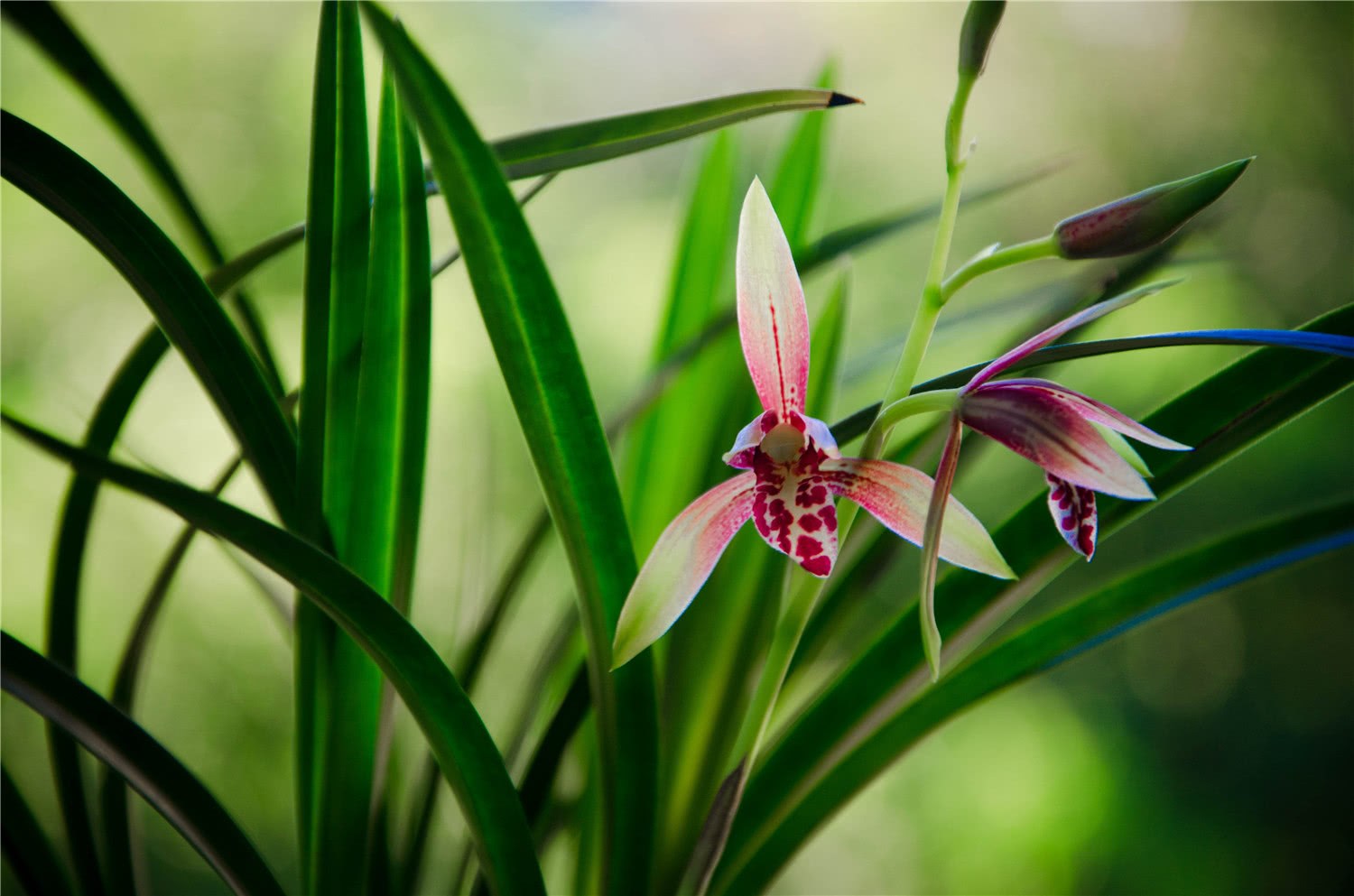
When it comes to the sorrows of growing orchids, one is orchid rot, and the other is the difficulty of seeing flowers. After autumn arrives, many orchids enter the flower bud initiation stage. How should they be managed at this time to make orchids bloom more? After autumn arrives, there are techniques for growing orchids. Remember 4 words, and orchid flower buds will sprout up vigorously, flowers will bloom abundantly, and fragrance will drift for ten li.
1. Keep moist
The ancients, when growing orchids, had the saying "do not let them dry in autumn," because autumn is dry and materials are parched, so the key point of growing orchids in autumn is to prevent dryness, achieve a "keep moist" state, avoid the potting soil drying out and damaging the roots, and also help flower buds form and emerge at the right time. When watering at this time, mainly start from 2 points.
The first is "moist," which should be considered from the soil and air humidity. Generally speaking, when the potting surface medium is dry but not parched, and the drainage hole at the bottom of the pot is moist but not wet, you can water. If you do not know how to judge, you can use a plant moisture meter to detect the moisture. When the data shows a water content between 20%-30%, you can water the orchid. In addition, you should also spray water around the orchid pot to maintain air humidity, so the orchid leaves can be moist and glossy.
The second is that this is the flower bud initiation stage. Many orchid growers do not dare to use fertilizer in summer. After a summer of growth, the orchid's nutrients are constantly being consumed and not replenished, so if you want to see flowers in autumn, you need to pay attention to increasing phosphorus and potassium fertilizer. We can use an organic nutrient solution specially for orchids, once every 10 days, strengthening roots and promoting flowers, so that orchids that have been "ravaged" by summer can recover their vitality as soon as possible, bloom more, have good flower quality, and full fragrance.
To promote flowering, you can also control water, but the most important conditions for producing flower buds are light and nutrients. Generally, if these 2 points are done well, it is not difficult for orchids to bloom. For some varieties that do not easily produce flowers, you can control water. When the potting soil is very dry, give the orchid a sense of crisis, water lightly, then control water again. This can make the orchid produce more flower buds. Of course, the premise is that this orchid is not a diseased or weak seedling.
2. Sun the pots
In the golden autumn season, light is a precious source of power for orchids. Whether sprouting or flowering, sufficient light is necessary. Experienced orchid masters generally adjust light from 2 aspects: one is that shading should be moderate, and the other is to increase light for orchids in stages, also commonly called "sunning the pots."
Overall, for most of autumn, orchids need more sun. There are mainly 3 purposes: one is to temper the plants. Orchids with sufficient light will certainly grow robustly and have strong resistance, helping reduce disease infection; the second is to promote flowering. The ancients also said, "More sun makes better flowers." Orchids that receive more sun often bloom earlier and more; the third is to make orchids more fragrant, with longer-lasting floral fragrance.
But in early autumn, the "autumn tiger" comes aggressively. At this time, a little shading is still needed. In most areas of the south, the temperature is still above 30°C, so you can cover one layer of shade netting. If the temperature is still above 35°C, you can cover 2 layers of shade netting. When the temperature clearly drops below 30°C, you can slowly increase light for the orchids. Adjust the shading degree throughout the year according to the season and temperature, appropriately "sun the pots," and let the orchids receive light to the maximum extent. Only then will the orchids grow better and better.
When growing orchids after autumn arrives, remember these 2 points well, and then the orchids will naturally bloom abundantly and fragrantly.