How to prevent and deal with compacted potting soil? These methods are very practical
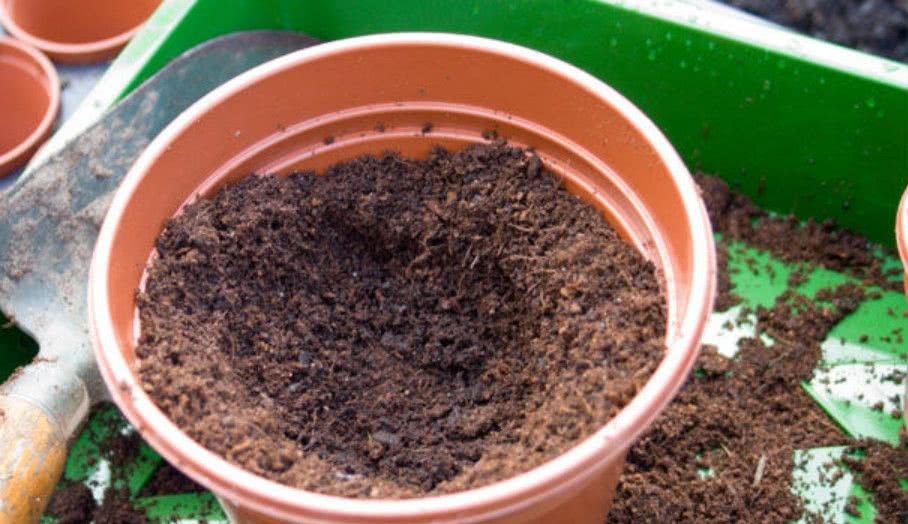
After a potted plant has been cared for a period of time, the soil easily becomes clumped. When you water the soil, the water runs straight out through the gaps at the edges, and it is impossible to water it thoroughly. A white deposit also appears on the soil surface, and the plant gradually shows yellowing leaves or dried-up branches.
Below, I will introduce the best ways to deal with compacted potting soil, and of course there are also preventive measures.
It is crucial to prepare loose, airy, well-draining soil for plants. Loose soil is good for root growth, making the roots and stems grow robustly, so that the branches and leaves thrive and the plant blooms better.
You need to add 2 or 3 parts of river sand or perlite to the soil. You can also appropriately mix in some decomposed wood shavings, compost soil or river sand. River sand can be replaced with perlite.
For the flowerpot, prepare a loose, well-draining container. You can choose the most common terracotta pot, clay pot or a plastic pot with more drainage holes.
At the bottom of the pot, you can lay some broken tiles, clay pebbles or larger granular stones. This can prevent the soil from clogging the drainage holes. Some people even place a mesh screen over the drainage hole.
When planting potted plants, you must not choose heavy clay soil, such as the common yellow mud soil or garden soil. When caring for potted plants, also pay attention to repotting regularly, generally in spring and autumn. Avoid repotting when the summer temperature is too high or the winter temperature is too low, otherwise the plant roots may fail to recover and grow.
To prevent soil from clumping, also avoid watering flowers directly with tap water, because tap water contains more fluorine and chlorine compounds. If you put it in a container and let it sit for two or three days, these compounds will evaporate, and then it is fine to use it for watering. Long-term use of tap water for watering flowers will accumulate a layer of salt on the soil surface, making the soil alkaline, which affects plant growth.
For watering plants, it is best to use rainwater, well water or tap water that has been left to stand for two or three days. For fertilizing plants, avoid long-term use of chemical fertilizers, otherwise the soil easily clumps. You can add some decomposed compost soil or decomposed manure to the soil surface every year, then water thoroughly. Avoid sprinkling it directly on the roots and stems, otherwise it will burn the plant.
After the soil clumps, you can directly choose a suitable time to repot. If the plant is growing weakly, do not repot for the time being. You can remove the topsoil, then sprinkle on some decomposed organic fertilizer ground into powder, water thoroughly, and cover the soil surface with peat moss mixed with some compost soil.
The organic fertilizer will slowly seep into the soil, thereby improving the soil's looseness and airiness and benefiting plant growth, but it should not be used too frequently. Generally, give it once every two or three months.