Two orchids, same as each other, but the height of the pseudobulb position determines how many new shoots they produce
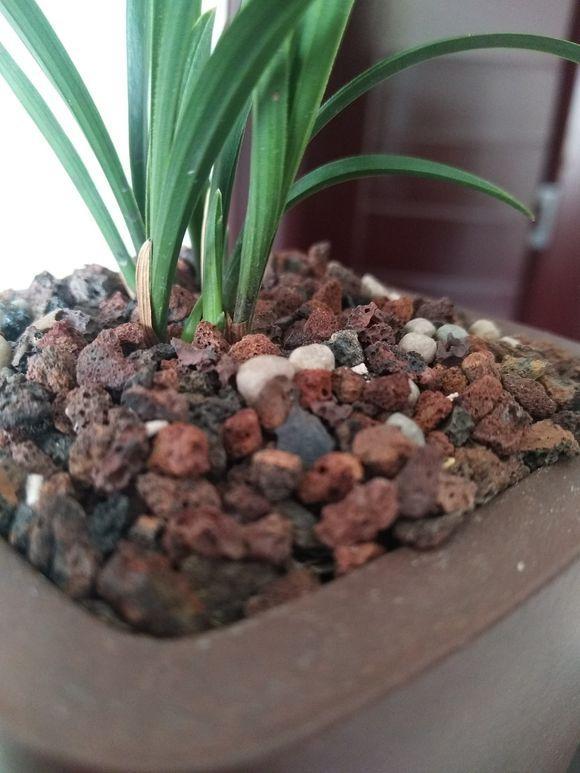
An old flower-growing friend dug up 2 orchid seedlings from the mountain and planted them in the same flower pots, with the same potting medium, in the same environment. However, the orchids that grew turned out quite different: one orchid produced many more shoots, while the other was just ordinary. The old flower-growing friend was puzzled. With the same care method, could it be a variety issue? So he looked and looked, and finally noticed one difference.
That was the planting depth of the orchids. When the first orchid was planted, the pseudobulb was raised relatively high; perhaps more soil had been put in, so the pseudobulb was even higher than the rim of the pot. And after the nutrient soil was filled in, a relatively high arch could be seen, which meant the pseudobulb was exposed to the air and could come into contact with more fresh air.
When summer arrived, the intense heat was hard to bear, but this old pseudobulb had good ventilation, could absorb moisture from the air, and could also receive relatively more light, so the whole seedling grew relatively robustly.
The other seedling, however, was planted relatively deeper, and the pseudobulb was buried under the soil, with relatively little contact with the air. In addition, it was about 4 cm from the edge of the pot. This caused the orchid's pseudobulb to receive relatively less fresh air and relatively less sunlight.
Usually, the two orchids were fertilized the same way, both with organic fertilizer specially for orchids, used about once every 1 week, and about once every 10 days or so in summer, generally diluted with water about 500-800 times, to promote the orchids' rapid growth, strong plants, lush green leaves, more flowers, and large flower buds.
The placement environment was also about the same, both in relatively semi-shaded diffused light, and the ventilation conditions were also about the same. So when growing orchids, some details are also very important, not just fertilization, watering, and light. Learn this point, and you have picked up a big bargain.