3 kinds of flowers that are beautiful and easy to grow, and can still be kept even though their sap is toxic
When people grow flowers, they are always afraid of this and that, especially when things spread online that a certain flower is toxic, so no one dares to grow it anymore. Yatou wants to say that those toxic flowers store their toxins in their sap, not in their fragrance. As long as you don't eat the flowers at home, you won't get poisoned! Take the following four kinds of flowers as examples. If you like them, just grow them!
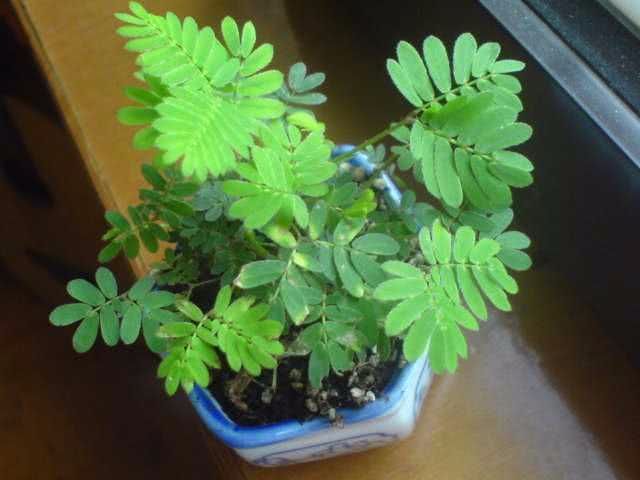
Mimosa (Mimosa pudica)
Mimosa used to be quite common. Those with a yard would plant one in it, and a gentle touch would immediately get a response. It was quite fun! Maybe Yatou's horizons have narrowed, but it really is rarely seen now! Still, Yatou checked some information, and mimosa is not very suitable for growing in a closed indoor space.
That is because mimosa performs photosynthesis during the day, which is nothing special, just like ordinary plants. But at night it cannot do so, and instead releases toxic substances that affect people's health.
Poinsettia (Euphorbia pulcherrima)
Its bright red leaves really are festive. When opening a business or celebrating a holiday, people love to use this flower! However, the sap of the poinsettia is toxic. If it accidentally gets on the skin, at best it causes itching, and at worst it causes redness and swelling and many allergic symptoms.
So as for the poinsettia, you can only admire it from afar, not trifle with it.
Dumb cane (Dieffenbachia)
This should be a plant everyone agrees is toxic! Every flower lover knows it, but dumb cane is very powerful at purifying the air, and placing a pot of it in the living room is also very high-end, grand and classy.
When caring for it, you need to be careful not to break it, as contact of the sap with the skin or accidental ingestion can cause allergic reactions or poisoning. You need to go to the hospital promptly for medical treatment.