Spoil Your Fur Kids with Local Goodness! 100% Taiwan Corn Pet Food, Made with Good Rice, Fruits and Vegetables for Freshness and Peace of Mind
As the proportion of pet ownership rises, the economic benefits driven by "fur kids" are unstoppable. From pet food, supplies, grooming, to even boarding services and the funeral industry, there is an endless array of business opportunities, with boundless commercial potential. The industry estimates that Taiwan's pet market annual output value reaches as high as 50 billion New Taiwan dollars, of which food expenses account for one half.
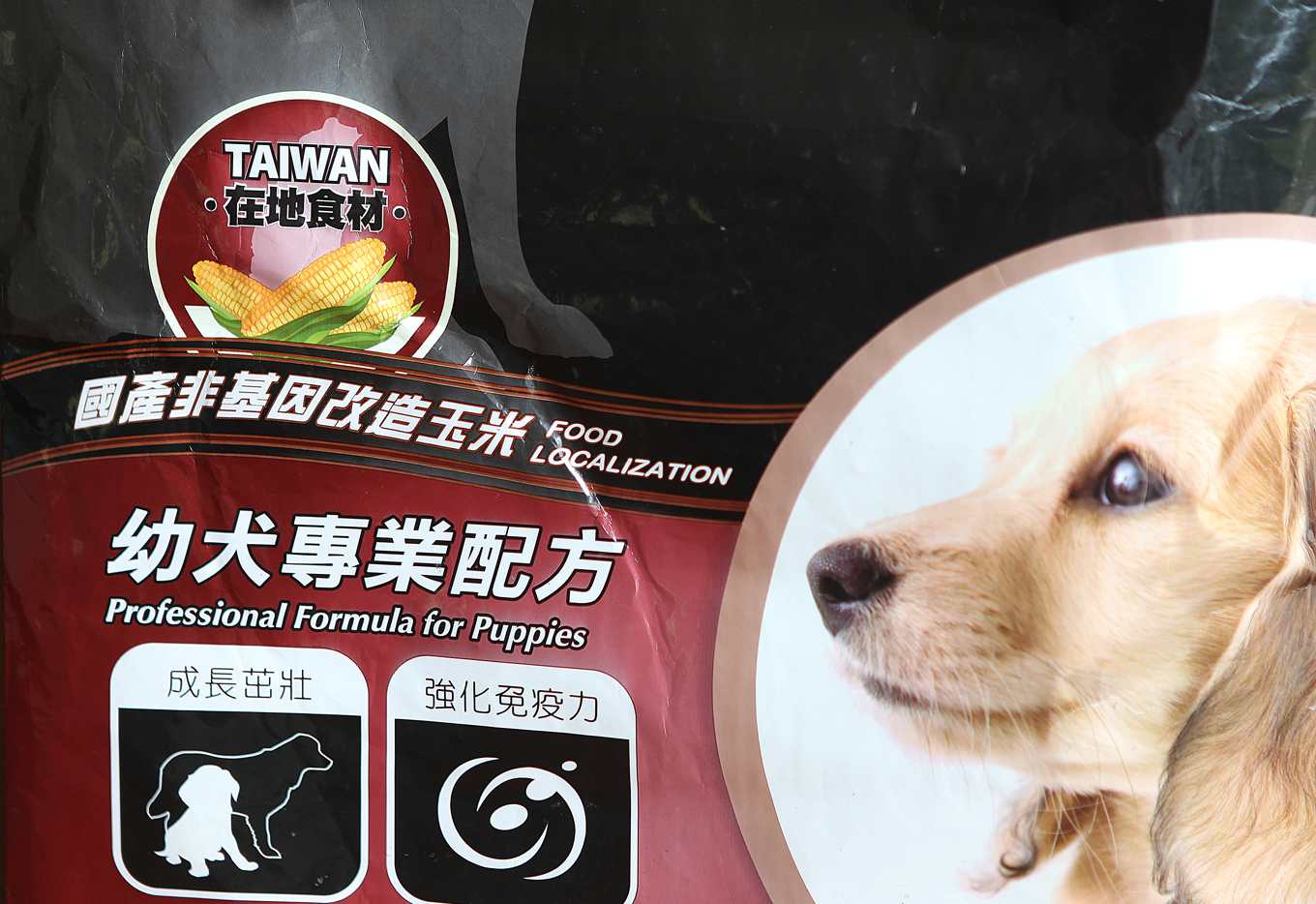
Taiwan's pet food market is currently dominated by imported brands, which account for more than half. Although the domestic pet food industry started late, domestic pet food that uses local ingredients and emphasizes freshness and safety is gradually rising, sourcing local non-GMO corn and traceable fruits and vegetables, promoting local production with no need for preservatives, allowing pet owners to safeguard their fur kids' food safety while also contributing to the development of domestic agriculture and grain.
Veterinary Association: Manufacturing Technology and Process Management Are Key
Chen Pei-chung, chairman of the Veterinary Association, explained that water, protein, fat, carbohydrates, minerals and vitamins are the six basic nutrients required by dogs and cats. However, dogs and cats of different ages have different requirements for various nutrients due to differences in their bodies' needs. For example, young dogs and cats need large amounts of protein; while adults and middle-aged ones should begin to reduce protein intake to avoid obesity and burdening the kidneys; by old age, because the basal metabolic rate decreases, a low-protein diet formula is needed. Therefore, he emphasized that neither starch nor meat should be used as the unchanging staple food for dogs and cats, and it needs to be determined according to the needs and differences of each fur kid.
Regarding domestically produced pet food, Chen Pei-chung stated that local ingredients have the advantages of freshness and convenience of use, "but manufacturing technology and process management are also very important." Take the "Pedigree incident" that broke out in 2004, which was precisely a case where a manufacturing plant in Thailand, due to poor management, had melamine contamination in its process, ultimately leading to a serious dog food poisoning incident that caused a large number of dogs to die of kidney failure after eating Pedigree products. He pointed out that from raw material inspection, temperature control during the production process, whether packaging technology can ensure the product does not spoil during transport, and the hygiene requirements at every step are all key points.
Officials Have Not Fully Grasped the Data, Relevant Statistics Are Lacking
Although the domestic pet economy is booming, officials seem not to have fully grasped the relevant data. During the reporter's investigation, it was found that the Pasture Management Section of the Animal Husbandry Department of the Council of Agriculture, which is responsible for managing pet food, has no relevant statistics on the annual output or output value of domestic pet food. Section Chief Lin Jui-peng only responded that Taiwan's pet food market is dominated by imported brands, which account for more than half.
In addition, the Ministry of Economic Affairs, which holds domestic industrial product production statistics, has also not established a separate category for pet food with independent statistics. The only close classification is "animal feed," but that refers to feed for livestock, poultry and aquaculture animals such as cattle, sheep, pigs, chickens, ducks, fish, crabs and eels, rather than cat and dog food. According to Taiwan's "Pet Registration Management Information Network," there are currently 1.53 million registered dogs and cats in the country. The issue of fur kids needs to be taken seriously, and the relevant statistical data also needs to be completed.