What are the disease prevention methods for ornamental fish keeping?
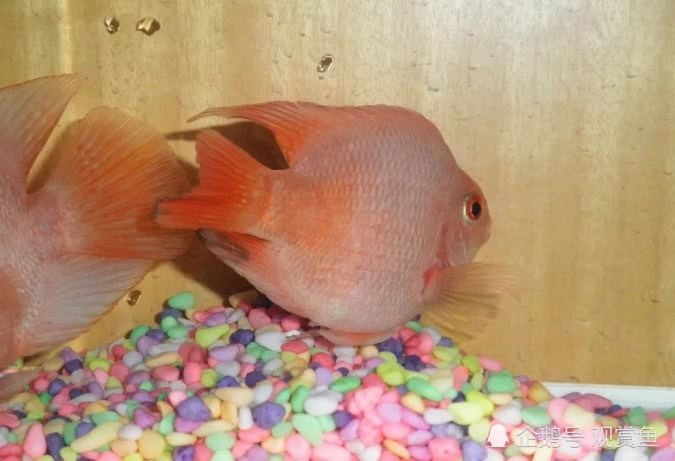
Tropical fish are one of the ornamental fish that are more commonly kept in our homes today. Keeping fish can beautify the home environment and also make people feel happy, so tropical fish keeping is constantly increasing. However, if they are not kept well, it is relatively easy for the fish to develop diseases, so prevention is most important in keeping them.
The specific defensive measures against fish diseases are: the fish species should be new, feeding should be proper, toxic substances or carnivorous animals should be kept out of the aquarium, heating lamps, lighting lamps, oxygenators and filters should be used correctly, and the water quality should also be kept fresh with moderate stocking. In addition, because aquatic plants and freshwater ornamental fish are very closely related, when maintaining the ecological balance of a freshwater aquarium, the planting of aquatic plants must never be neglected.
No matter where ornamental fish come from, they must travel long distances before entering the market, so before purchase they need a fairly long time to recover their strength. Therefore, besides observing in the fish dealer's aquarium whether they have potential diseases, fish purchased for the first time should be kept under group isolation and monitoring in an aquarium during the first few weeks. After that, each time new items are added, they must first be isolated in another aquarium, and only after a few weeks can they live together with the original fish. The fish net used to move sick fish needs to undergo disinfection procedures and should first be cleaned with a special disinfectant before it can enter the aquarium again; otherwise, a fish net used in a water body where pathogens exist will carry pathogens to other water bodies.
When feed is put in excessively, it will lead to unrestricted growth of algae and pollute the water body, so the amount put in should be appropriate. When feeding, the principle of small amounts and multiple times should be adopted, feeding 2~3 times a day, and the amount fed each time should be suitable for the fish group to eat up within a few minutes. The amount each time should be fixed and should not be too much. The fish will eat up the scraps in the tank, which helps keep the water quality fresh. Unsuitable feed or an overly single variety will cause insufficient vitamin intake in the fish and reduce the fish's disease resistance, so feeds of different brands should be selected alternately to ensure the various vitamins the fish need, while also avoiding anorexia.
Careful observation is the key first step for fish. Daily observation can directly detect fish diseases and allow timely emergency measures to be taken to maintain a good ecological environment. Regularly check the number of fish, and when feeding, take attendance to see whether any are absent. If the aquarium has other fish of different water layers kept together, it is no need to panic if some fish occasionally do not appear, such as nocturnal fish that rarely appear during the day, but if they are not seen for 2~3 days, it is necessary to find out the reason: dead, unable to free themselves from rock crevices, eaten by larger fish, or jumped out of the aquarium; in any case, the fish carcass must be found, otherwise it will pollute the aquarium. Pay attention to observing whether there is aggression or other abnormal phenomena, such as forcibly dominating or jabbing with fins. When such situations occur, if this fish is not a schooling fish, then it only needs brief isolation, using a small floating container to isolate it in the corner of the aquarium. However, some fish are rude only because they have no companions of the same kind and are lonely and bored, so before punishing them, first find out the cause and satisfy their needs by providing enough playmates.
The above content comes from the internet
If you have anything unclear about the above article content, you can leave a message at the end of the article to consult me~