Is the cactus ball poisonous? Here's how to make it bloom
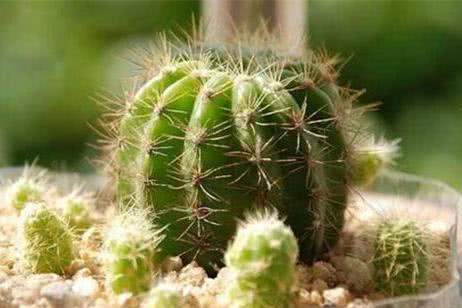
The cactus ball is a well-known easy-to-grow plant: drought-tolerant, needing little watering, and easy to care for. Many flower lovers have grown this plant, usually keeping it indoors to beautify the home. It is small and cute, and when it blooms it is especially beautiful, with considerable ornamental value. When caring for a cactus ball, if you are not careful, you may get your hand pricked by it. Some flower lovers, after being pricked, find the wound swollen and unbearably painful, which makes people wonder: is the cactus ball poisonous?
1. Is the cactus ball poisonous? The cactus ball blooms, but its flowers are not poisonous, and the body of the cactus ball itself is not poisonous either. Only the spines of some varieties of cactus ball are poisonous. These cactus ball spines carry an alkaloid; once they prick your hand, the alkaloid enters the human body through the wound, but it only causes some swelling and an itchy, painful sensation. As long as you promptly pull out the cactus spine, thoroughly wash the wound with tap water and soap, then wipe the wound with 3% hydrogen peroxide to disinfect it, and put on a band-aid, you will be fine.
2. Methods to make the cactus ball bloom Some flower lovers have grown a cactus ball for a long time and it has never bloomed. This may be because the wrong methods were used during care. Below is a brief introduction to the care methods for making a cactus ball bloom.
1. Loose soil To make a cactus ball bloom, the soil must first be suitable. The cactus ball must be planted in extremely loose soil; it is best not to use muddy soil, as this will store water in the soil, causing the cactus ball's roots to soak in water and rot. For cactus ball soil, it is best to use granular soil mixed with some garden soil at a ratio of 6:4. 2. Sufficient light A cactus ball needs sufficient light to be able to bloom. You should know that the cactus ball itself comes from desert regions, where light is very abundant. When we grow it at home, we must ensure it receives the maximum amount of light; sufficient light is conducive to blooming.
3. Sufficient watering Although the cactus ball does not like too much water, if it is watered too little, it will consume its own moisture, reducing the possibility of blooming. Sufficient watering does not mean watering a lot; just water thoroughly when the soil has dried out completely. In this way, the cactus ball absorbs sufficient nutrients, which is conducive to blooming.
4. Large day-night temperature difference The cactus ball originates from desert regions. In the desert, the daytime light is abundant and the temperature is high, but at night it becomes very cold. Therefore, if you want the cactus ball to bloom, you must simulate its growing environment. Only by maintaining a large day-night temperature difference will the cactus ball grow better and bloom more frequently. 5. Timely fertilizing The flowering period of the cactus ball is usually from March to May. Before the flowering period, you can apply phosphorus and potassium fertilizer twice to promote blooming. To get more related plant knowledge, you are welcome to click and follow "Nanhuangyang Agriculture"!