A single leaf of Pereskia stuck in a flower pot will survive, and when grafted with Christmas cactus it can grow to 3 m.
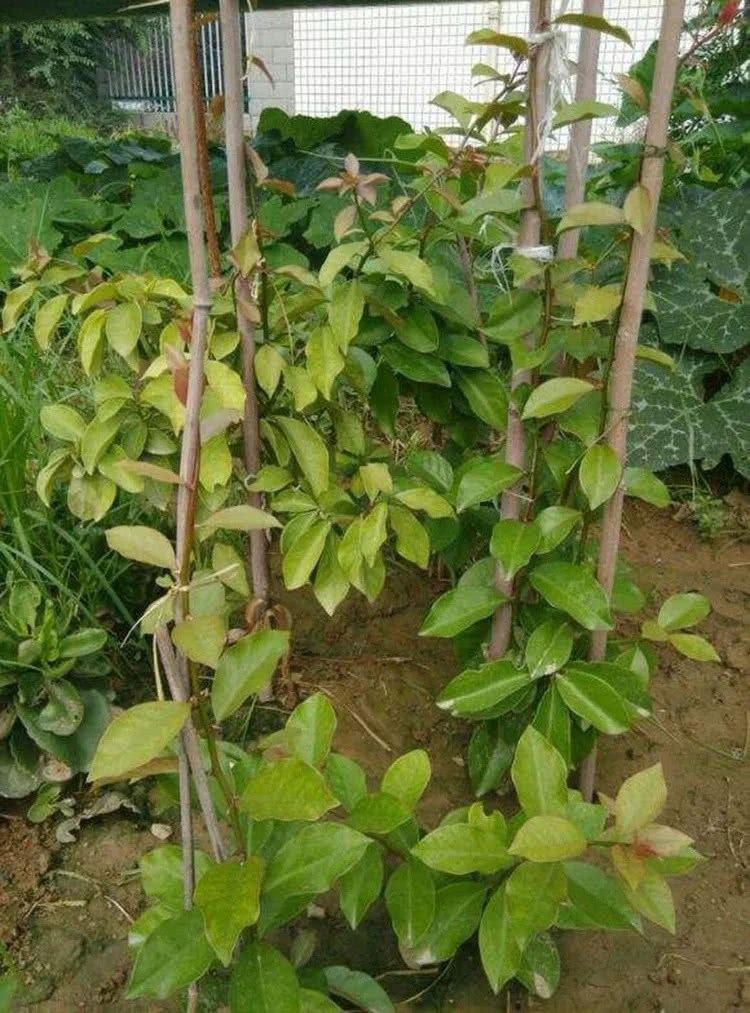
Pereskia, also called leaf cactus or Barbados gooseberry, is a plant in the cactus family. Many friends who like grafting are very familiar with Pereskia, but there are still many friends asking what Pereskia is and how Pereskia is propagated and cuttings done. Today, let us briefly talk about it.
Pereskia has a relatively well-developed root system, grows extremely fast, and is tolerant of both drought and waterlogging. As long as it is used as a grafting rootstock to graft cacti such as Christmas cactus, Schlumbergera, Rhipsalidopsis, and cactus ball, the grafting compatibility is quite good, and after grafting it is very easy to survive, surviving in just three or four days.
Moreover, after grafting the growth speed is fast, which can increase the number of flowering cycles and the amount of flowers of the Christmas cactus. In summer it does not easily go dormant, so people regard it as an excellent grafting rootstock.
。
So, how should Pereskia be propagated by cuttings? Cuttings of Pereskia are very simple. Whether it is an old branch or a tender branch, both can be rooted from cuttings. We let the cut Pereskia branch dry for a day, wait until the wound has retracted, and then insert it for cutting.
If the wound is not dried, or if the cutting soil is too wet, it very easily causes root rot. When cutting, use moist soil to pot it up, directly insert the branch in and place it in a ventilated spot with scattered light, and that is enough. In three or four days it will root and grow.
Even a small sprout casually thrown into a pot can grow on its own. Everyone look at my Pereskia here: in two months it grew more than 3 m, and it is still growing continuously now. It is also very thick and sturdy. By autumn it can be grafted with a Christmas cactus that reaches the roof, and that will be very beautiful.