Feed the flowers some melon, and they will bloom as abundantly as if they were on stimulants
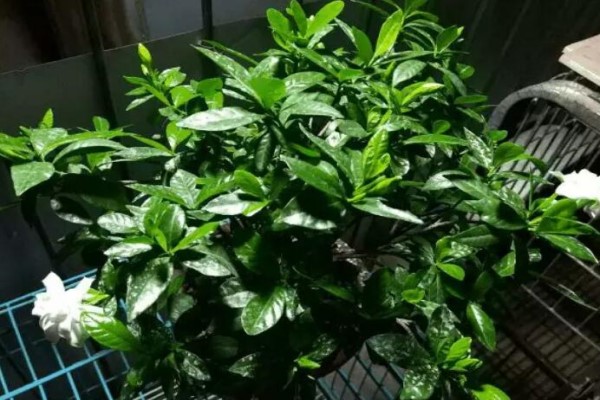
Give the flowers some enzyme water to drink, and the floral fragrance can drift 2 li away!
Friends who often grow flowers must be familiar with enzymes, but did you know? The watermelon rinds left over from what we eat are also great material for making enzymes!
1. Save up the leftover watermelon rinds and cut them into small pieces. The red flesh on the watermelon rinds does not need to be removed; the red flesh contains a lot of sugar, which helps fermentation.
2. Prepare a clean plastic bucket. If the bucket is very dirty, you can put in a handful of mung beans, pour in some clean water, and shake it hard, and the bucket will be cleaned.
3. Making enzymes generally requires adding some brown sugar, but the watermelon flesh itself has plenty of sugar, so there is no need to add extra brown sugar. However, if there are other fruit peels at home, they can be put in as well.
4. Put the cut watermelon rinds and other fruit peels together into the plastic bucket, add clean water, twist the lid lightly a few turns but do not tighten it, and place it in a bright, well-ventilated place to ferment.
5. During fermentation, the enzyme will produce a large amount of gas. Even if the lid is not tightened, you should still open the lid every few days to release the gas. Friends who find this troublesome can put a balloon over the plastic bucket instead of the lid.
6. The enzyme will be ready after about one month of fermentation. After it is fermented, mix the watermelon enzyme with water at a ratio of 1:500, and water the gardenia once every half month. The gardenia flowers will bloom large and fragrant!
Give the jasmine some watermelon water to drink, and the flowers will keep bubbling out nonstop!
Recently, many flower friends have asked Huahua why the jasmine at home never blooms. Today Huahua will teach you a trick: give the jasmine some watermelon water to drink, and the buds are guaranteed to increase more and more!
1. Use a small spoon to scrape all the red flesh off the leftover watermelon rinds, so that it will not attract small insects when watering the flowers.
2. Put the scraped watermelon rinds into a basin and rinse them several times with clean water to avoid any residual sugar.
3. Cut the watermelon rinds into small pieces and put them into a plastic bucket. Do not fill it too full. Just twist the lid a few turns. Check every few days as usual, and if the gas buildup is too strong, open the lid to let it breathe.
4. If there is a blender at home, you can directly blend the watermelon rinds into juice, which will make fermentation faster.
5. Place the plastic bucket in a place with plenty of sunlight and expose it fully to the sun. After about 20 days, the watermelon rind solution will be successfully fermented.
6. The fermented watermelon rind solution is acidic. Mix it with water at a ratio of 1:50 and water the jasmine. After 3-5 times in a row, you will find that the jasmine starts to continuously grow small buds!
Bury watermelon rinds in the soil, and the flowers will bloom more and more vigorously!
Besides adding water to make enzymes, watermelon rinds can also be buried in the soil. After full fermentation, they will turn into nutrient-rich potting soil!
1. Cut the leftover watermelon into small pieces, so the decomposition time will be shorter and the decomposition will be more thorough.
2. Prepare 2-3 sturdy plastic bags and a basin of garden soil. If there are a lot of watermelon rinds, you can directly prepare a foam box.
3. First spread a layer of soil in the plastic bag, about 3-5 cm, then put in a layer of watermelon rinds, and finally cover with another layer of soil.
4. Tie the plastic bag tightly. Plastic bags placed in the sun are prone to breaking, so it is recommended to use several bags layered together, and then place them in a sunny place to ferment.
5. After about 1-2 months, the flower soil will be almost fully fermented.
6. The fermented flower soil is rich in nutrients, and whatever you plant in it will thrive!