Flower pot soil compaction: one little trick to make potting soil loose, airy, and fertile, so flowers grow like crazy and burst out of the pot
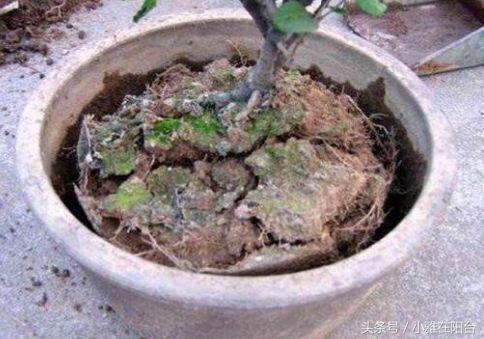
People who love growing flowers never get tired of looking at their potted plants a hundred times a day, but if you really want to grow them well, the potting soil is the key. Only when the potting soil is loose, fertile, and airy can the plants grow vigorously with lush branches and leaves and bloom abundantly. If the soil of the potted plants you grow at home is compacted, what should you do?
When the potting soil for growing flowers is compacted, there is no need to change the soil. With one simple little trick, the potting soil becomes fertile and loose
Every autumn, because the potted plants have made it through summer with daily watering, the fertilizer and humus in the soil have all been washed away, the soil has become less, and it is poor and compacted. This kind of soil turns like mud as soon as you water it, has poor water permeability, and is not airy enough.
Because this soil also has little fertility and does not drain or breathe well enough, the plants certainly will not grow well. They will be thin and weak and bloom little. If you can replace it with new loose, fertile soil, that is best. But if you find repotting and changing the soil troublesome, you might as well do this:
First, loosen the soil to make it a bit more friable, then add some granules to the pot, such as coarse sand, vermiculite, or perlite. If you do not want to buy vermiculite or perlite, just use sieved coal cinders directly, or slightly larger sand grains, spread over the surface of the potting soil to a thickness of about two cm.
Then add some leaf mold, peat soil, or nutrient soil. If you do not want to buy leaf mold, just go to a place in the suburbs with large trees and get some of that dark leaf mold; brush aside the fallen leaves and there it is, both fertile and nutritious. Pour it into the pot to a thickness of about three cm or more.
In addition, when the autumn temperature is neither too high nor too low, add some decomposed cake fertilizer, or chicken manure fertilizer, or sheep manure fertilizer to the pot.
At the same time, you can also use rice-washing water, fish tank water, or organic fertilizer water made at home from fruit peels and vegetable leaves. After fermenting for a period of time, dilute it and pour it into the pot. This will also make the potting soil more loose, fertile, and soft. Only in this way can it grow lush branches and leaves.
Adding these granular soils, organic fertilizers, and leaf mold will alleviate the condition of the soil. In this way, there is no need to change the soil either. Every time you water, the humus and fertilizer nutrients will be absorbed by the roots, making the plants grow better and especially lush, and they will easily bloom and burst out of the pot.
Doing this for flowers and plants in autumn, such as jasmine, rain lily, moss rose, clivia, and so on, makes the potting soil more and more fertile and loose, the growth better and better, the growth faster and faster, and the flowering more abundant, looking especially pleasing to the eye.