How to grow a jade plant (Portulacaria afra) into a full pot? 6 tips to teach you, with glossy green leaves
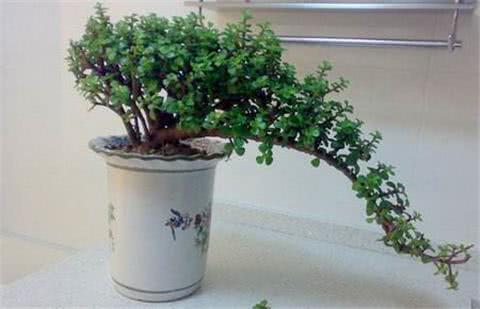
The jade plant (Portulacaria afra) has glossy green leaves that can take on a pink hue in the sunlight, offering high ornamental value when kept at home and delighting the eye and mind. Below, we introduce 6 methods for growing a lush jade plant!
(1). The best soil
For planting a jade plant, the soil is best chosen as a mix of leaf mold, garden soil, river sand and peat soil; this kind of medium is loose, breathable and well-draining. Do not choose poor soil, as it will make the jade plant grow slowly. You can also use loose sandy soil; before use, expose it to sunlight to kill pathogens and insect eggs and reduce the occurrence of pests and diseases.
(2). Moderate light
The jade plant likes plenty of sunlight. In the 3 seasons of spring, autumn and winter, it needs to be kept in an environment with sufficient light; in summer, avoid direct sunlight and shade it moderately. Although the jade plant can also grow in a semi-shaded environment, it will cause the stems to fade from purplish-red to green, and the leaves will lose their luster.
(3). Suitable temperature
The best growing temperature for a jade plant is 15~25°C; below 5°C it will stop growing. So in winter, keep it indoors and control the temperature above 10°C; in summer, keep it below 30°C, otherwise the plant will grow slowly. If the temperature exceeds 34°C, it will enter a dormant period, which affects growth and also causes the leaves to turn yellow and dry up.
(4). Watering method
Watering a jade plant is generally based on temperature and growth rate, following the principle of not watering until dry; water again after the soil has become somewhat dry, and each watering needs to soak through, with water marks around the roots. When the spring temperature is 15~20°C, water once every 3~4 days; when the summer temperature is above 25°C, water once every 1~2 days, and also spray water on the branches and leaves of the jade plant.
(5). Fertilization management
The jade plant does not have high fertilizer requirements and does not need much fertilizing. In the vigorous growing seasons of spring and autumn, apply a diluted, fully rotted liquid fertilizer once every 15~20 days; at other times, reduce or stop fertilizing. In winter, fertilizing generally needs to be stopped, and during high summer temperatures fertilizing is also not needed. For weaker-growing plants, appropriately increase phosphorus fertilizer; in daily care, pay attention to balanced nutrition in the fertilizer, mainly nitrogen fertilizer.
(6). Regular pruning
The jade plant has a strong ability to sprout new branches. During growth, cutting off the old branches at the top can promote it to grow new branches and side branches, making the whole plant fuller, while also helping with ventilation and avoiding the occurrence of pests and diseases.