Fig cuttings: stick a single branch in the soil and you'll get so many figs you can't finish them
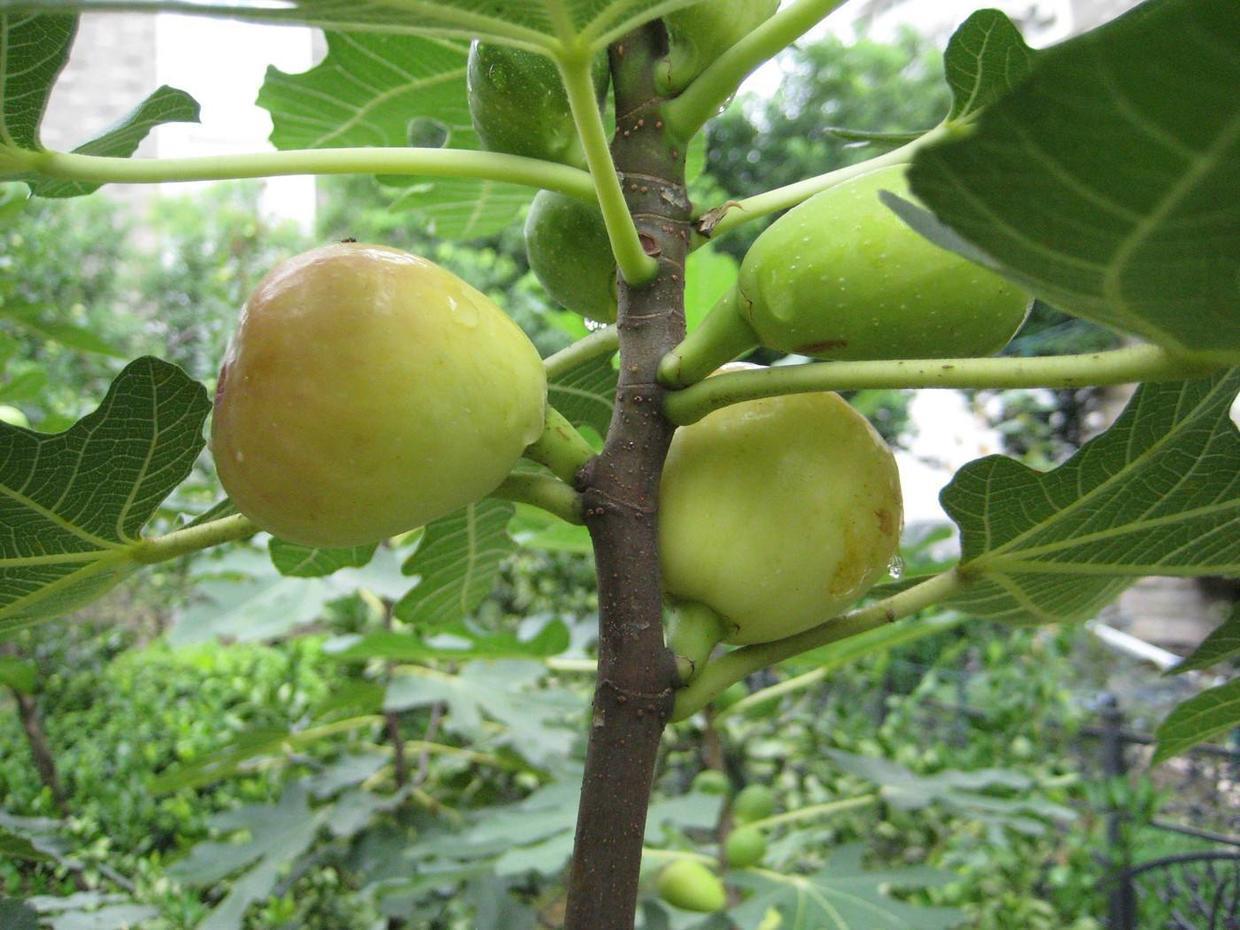
Once the temperature drops, many autumn fruits start hitting the market. Huahua recently saw figs already for sale at the market, so she bought some and took them home. But those figs were so sweet that Huahua had eaten them all before she'd had enough, so Huahua wondered whether she could do some research herself and grow a potted fig at home too!
After looking through a lot of information, Huahua found that figs are very easy to keep alive. So now let's tell everyone what you need to pay attention to when growing figs at home.
The best time to take fig cuttings is in spring or in autumn after the leaves drop. The leaves haven't dropped yet, so read Huahua's article before they do; once the leaves have fallen you can plant your figs at just the right time, and when the figs ripen you'll be able to eat to your heart's content!
Cuttings are the most convenient way to grow figs, so we can go and collect fig branches. When choosing fig branches, pick slightly thick, healthy ones, as these root more easily. Soak the chosen branch in water for a day, then you can stick it into the soil. The soil for growing figs is also very simple: a mix of ordinary garden soil, coal cinder and sawdust works fine as a growing medium.
Figs like a warm, humid climate, are fairly drought-tolerant and don't tolerate waterlogging. After planting it in the soil, water it regularly, but not too often, to keep the fig from drowning. The early growth stage and the later fruiting stage are both times when it needs more water, so increase the amount of water at these times. A fig in the soil can take root in about a week, and leaves appear in about two weeks.
When planting figs in autumn, note that the fig has just grown into a seedling, and at this point the fig tree is fragile; moreover, the fig tree is originally a tropical and temperate plant, so it is certainly not cold-hardy. At this time, be sure to protect the fig seedling from the cold.
Proper pruning of figs is also a fairly important step. The fig tree is a light-loving plant, and the purpose of pruning is to let the fruit get better exposure to sunlight so it grows better. Pruning is generally done in winter when the fig tree is dormant; when pruning, cut off the side branches that can't develop, that lack nutrients, or that are thin and withered, and also prune the main trunk's branches appropriately to prevent the branches from growing leggy and affecting the number and quality of the fruit. Pruning can better stabilise the fig tree and increase the plant's light penetration and ventilation.
Friends who like eating figs definitely shouldn't miss this article. The fig is a very easy plant to grow. Care for your fig well for a while, and when it fruits you'll be able to eat figs to your heart's content!
If this article has been helpful to you, remember to share it with the friends around you.