What to do about orchid root rot? Add this to the soil and from then on you will grow fluffy roots
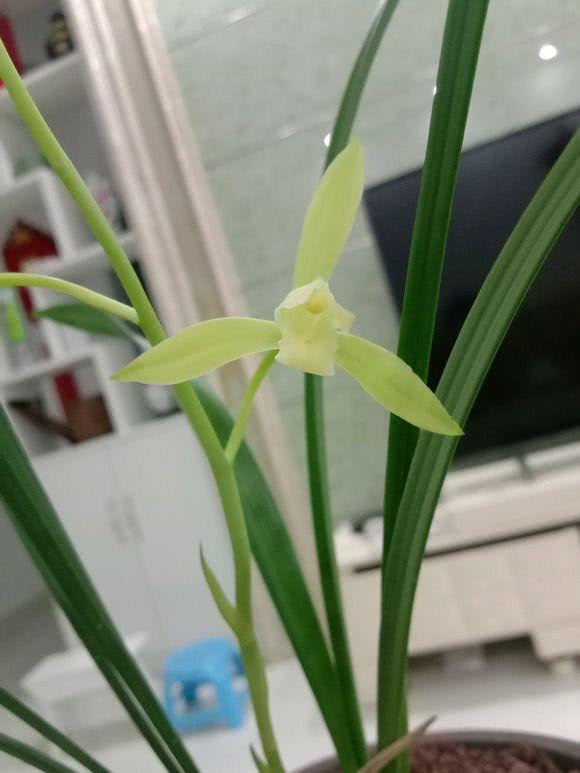
When growing orchids, the problem most people run into is that the potting soil is not breathable, which causes yellow leaves or root rot in orchids. This is something that flower lovers find very frustrating, but during care you can add a few cheap little things to the soil, and the orchid root rot problem can be solved very well, and from then on you can also harvest white fluffy roots.
Orchids love a "soft quilt"
When growing orchids, the thing to fear most is relatively compacted soil, because with year-round watering, the sediment in the water causes the soil to clump, so the orchid roots cannot breathe and it becomes hard for them to absorb nutrients from the soil. At this time you can use fermented "soft quilt" that orchids love, that is, mix wood chips together with the orchid roots, and the microorganisms in the soil can not only decompose the wood chips but also release organic components, adding nutrients to the soil, and at the same time they will change the structure of the wood chips, turning them into a structure that makes the soil looser and more breathable.
Of course, if you are a beginner flower lover, it is still recommended to use a medium specially made for orchids, as the ratios are generally fairly balanced, and various organic matter, minerals and amino acids have been added, so it is not only loose and breathable, with good drainage, but also has comprehensive nutrient solution.
Orchids love porous fertilizer
You might not expect it, but orchids actually love this kind of porous fertilizer, that is, worm castings. We all know that after earthworms excrete their droppings, the droppings combine with the surrounding soil, and then the earthworms eat this stuff again and excrete it again, combining with the soil once more. Add to that the fact that earthworms constantly burrow in and out, and this worm casting becomes a porous fertilizer with many gaps. In addition, the structure of earthworm droppings itself is porous, so using it to grow orchids is very breathable, and it is also rich in organic nutrients, microbial elements and so on.
Orchids love "DIY"
You would not believe it, but the various kinds of "DIY" in daily life are also very practical when applied to growing orchids. For example, the farmyard organic fertilizer fermented from kitchen waste, or poultry and livestock manure and so on, is a very good fertilizer for growing flowers, and it is not only rich and balanced in nitrogen, phosphorus and potassium. Of course, cities are not as convenient as rural areas, so you can use vegetable leaves, fruit peels and other things for fermentation, and you can also get very good organic fertilizer. Of course, no matter which kind of fertilizer it is, you must pay attention to the dilution ratio. Generally it should be diluted with more than 100 times water before use. If it is a highly concentrated fertilizer, it should be diluted with about 500 times water or more. Remember, rather too dilute than too concentrated.
Orchids easily lack oxygen, so insert an oxygen tube for them
No matter which kind of soil is used, after an orchid has grown for about a year, the soil is relatively less fluffy than before, and if the orchid roots cannot get enough oxygen, how can they survive? At this time you can insert an oxygen tube for them, that is, the straws we usually use in daily life for drinking beverages, which can deliver oxygen from the air down to the orchid roots, promote root metabolism, and prevent problems such as root rot and yellow leaves.
When growing orchids, you also need to be correspondingly particular, because after all, beautiful flowers all need careful care to grow strong.