Pruning purslane makes it look even better, and displaying it at home is quite impressive.
When it comes to purslane, some people still may not quite know what it is. But if you show them a photo of purslane, they immediately get it: "Isn't that the wild vegetable growing everywhere in the green space downstairs from my home?"
Yes, it is this wild vegetable seen everywhere. Because purslane has extremely strong adaptability, needs no nutrients and no shade or care, and can thrive on its own, it is basically found everywhere, and people no longer find it unusual.
At home, mothers and grandmothers often dig up purslane, wash it clean, and then use it to make dumplings or steamed buns. It tastes so good!
Don't worry, today Huahua is not here to introduce this little wild vegetable purslane, but to introduce a potted plant.
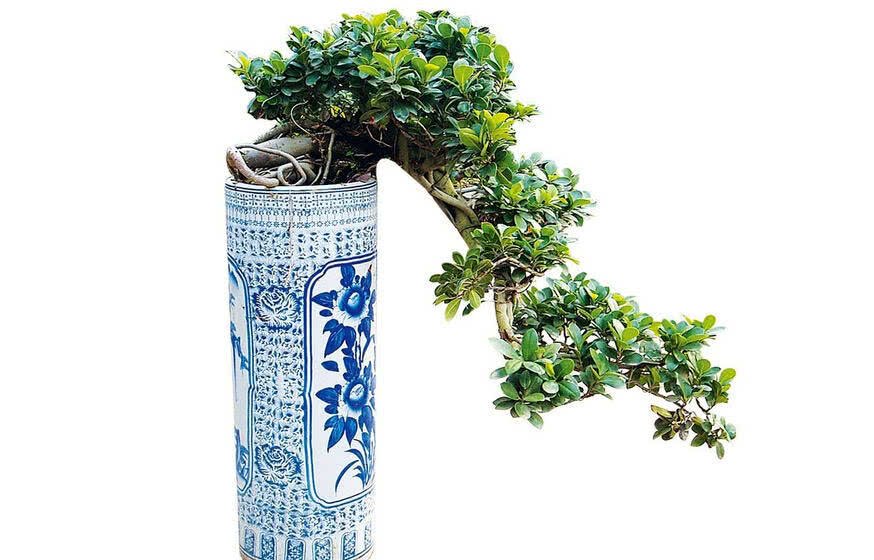
Don't you think it looks beautiful? Don't you think it looks familiar? Doesn't it feel especially like purslane? What is its relationship to purslane? Do you have a whole series of questions? Don't rush, Huahua will answer them one by one for you.
This plant is called: Elephant Bush (Portulacaria afra). It is actually the purslane tree, but I never expected that after purslane became a tree, not only did its appearance become so upscale, even its name became so grand.
Elephant Bush (Portulacaria afra) also belongs to the Portulacaceae family, so it has many similarities to purslane. They both like warm environments with plenty of sunlight, and can tolerate drought but not cold. If everyone really likes the purslane tree and wants to take it home to grow, Huahua will tell everyone that when growing the purslane tree normally, the main thing is to let it grow freely, and not worry about its shape at first.
Remember to water the purslane tree in spring, summer, autumn, and winter. Since you chose to bring it home as a plant to grow, watering is definitely indispensable. In spring and summer, water the purslane tree once every 4 days. In autumn and winter, water the purslane tree once every 5 days. In summer, you can use a spray bottle to sprinkle water on the purslane tree.
During the growing season, apply a dilute nitrogen fertilizer solution once every two weeks. In summer, with plenty of sunlight and fast water evaporation, the soil needs to be kept moist to ensure the plant does not lack water. In winter, reduce the amount of watering appropriately and let the potting soil become a bit drier.
When the purslane tree grows to a certain height, it is about time to start pruning. There are many ways to prune. Everyone can prune according to their preferred style and the bonsai shape they want in mind.
A well-pruned purslane tree is no worse than other bonsai at all, and few people grow it. Unlike plants such as asparagus fern that are kept in many homes, it is both unique and beautiful, truly very practical!
Do you all like this highly ornamental plant that Huahua introduced to everyone today? You would never have thought that purslane could also have such an upscale appearance and such an impressive name! Let me tell everyone once again, its name is: Elephant Bush (Portulacaria afra)!