A Rose Accidentally Became a "Venus" - Is There Still Hope?
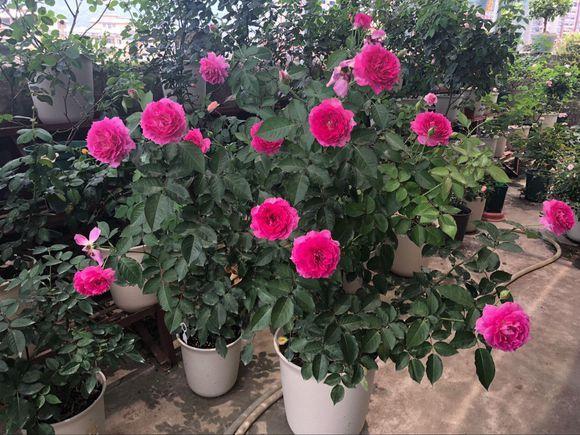
In the process of caring for roses, we inevitably hurt each other - either the rose thorns scratch our hands, or we accidentally break the rose branches, turning the rose into a "Venus." We can't exactly appreciate the beauty of imperfection, can we? Is there still any chance of reviving the "Venus" with a broken arm?
Actually, Huahua wants to say that the Venus rose can still be saved. Think about it - rose branches can root from cuttings, and they can even be grafted onto other flowers. What's a little injury like this? So how exactly should we save it?
Where it breaks, reconnect it there
Whether from our routine care and pruning, or from wind and rain, the rose may get broken. But if the break isn't too severe, you can simply reconnect it directly, though you'll need to wrap it up a bit. A good method is to use gauze or a towel to wrap the broken and reset area, then tie both ends with string to secure the branch and prevent it from breaking again - otherwise it will be hard to reset.
If the entire branch is broken off, you can either admire the beauty of the "Venus" by cutting the whole branch off and propagating it as a cutting in a new pot, or you can use the grafting method - sharpen both ends with a sharp knife, ideally so the two ends can join together, then wrap them with gauze or a towel.
At the same time, place it in a well-ventilated and shady spot, keep the water supply going, and don't let it get too dry, otherwise it will easily become a withered branch. After about 20 days, it should basically have joined together. If it doesn't succeed, the branch will also turn into a dried-out stick.
Propagating roses from cuttings - you might end up with a few extra pots
For broken branches, if you think resetting them is too much trouble, you might as well cut the branches off and propagate them as new potted roses. A single branch can be cut into several segments - of course, you can make as many pots as you like.
Each segment of the cut branches needs 2-3 leaves or growth nodes. Don't cut off all the leaves - you can cut off half of each whole leaf. This not only avoids water transpiration but also promotes photosynthesis in the plant. To be safe, you should also apply some fungicide to the cut branches, such as carbendazim diluted 1000 times, or azoxystrobin diluted 1000 times, to avoid black stem caused by bacterial infection.
For propagating roses from cuttings, you can actually use river sand, vermiculite, or just put them directly in water for hydroponic propagation. Note that when using a medium for cuttings, you need to keep it moist and spray water daily to avoid the withered branch symptoms caused by lack of water. River sand and vermiculite are both good cutting media - they have good drainage and are less likely to cause root rot.
When spraying water on the roses, you can also add a few drops of organic nutrient solution specially formulated for roses. It has a rich and balanced content of nitrogen, phosphorus, and potassium, which can promote root growth while also promoting the growth and budding of the roses.
Roses are considered difficult to grow mainly because many flower enthusiasts still don't have a good grasp of the habits of roses. Sometimes they do things that go against the growing habits of roses, leading to poor growth. If you can care for roses according to their preferences, you won't just keep them alive - you can help them thrive and bloom abundantly.