How should aquarium water quality be maintained on a daily basis to achieve the best condition?
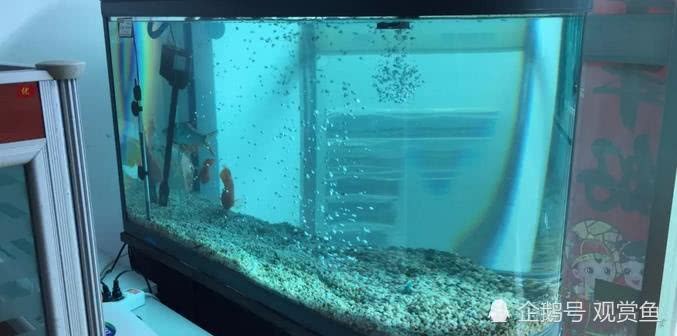
An aquarium is actually a miniature ecosystem. It not only builds a comfortable home for the fish, but also gives us an opportunity for close contact with nature. However, fish are delicate, and to maintain the stability of this ecosystem, we must do a good job of upkeep. Let's take a look at how to do a good job of daily aquarium maintenance.
Aquarium maintenance is divided into daily care and maintenance every one to two weeks. What we should do every day is first ensure the water level height, promptly top up evaporated water, and maintain a stable water level. Check whether the equipment is operating normally, and maintain lighting. In addition to the above, also pay attention to the health of the fish and see whether the fish are normal. Maintain a suitable temperature, and feed on a fixed schedule and in fixed amounts. Maintain the suitable temperature required by the fish, and check the health status of the fish, mainly by seeing whether the fish show any signs of illness.
Change the water once every one to two weeks, but when changing the water, note that you cannot change all of it. You only need to change about one quarter of the water. The water must ensure stable salinity and pH, and the replacement water is best left to stand for one day in advance. After changing the water, promptly add sea salt. Then clean out the waste collected by the protein skimmer and replace the filter's biological cotton.
The water flow must ensure strong circulation. Because the nitrifying bacteria in the aquarium need to consume a very high amount of oxygen during the nitrification process, how to evenly send sufficient oxygen and the organic matter to be decomposed in the water into the filter material within the water circulation process, so that the nitrifying bacteria can effectively decompose it completely, is an important consideration in designing the circulating water flow. Strong water flow can cause every part of the aquarium to be renewed, which can make the water quality more uniform and make the fish more able to adapt.
In order to maintain the clarity of the aquarium water quality and the healthy state of the fish, we need to judge whether the water quality in the aquarium is good or bad. First of all, we must understand the standard of "good water." An old saying goes, "When the water is clear, there are no fish," but sewage cannot raise fish either. Generally speaking, the water quality should be clear, soft and resilient without being greasy, not as thin and clear as purified water without any other substances, and there should also be no oily film, foam, protein worms, or outbreaks of bacteria and algae and other signs of water being too rich.
At the same time, good water should also have a slight water color, which is still a sign of mature water. To keep fish, first cultivate water, and cultivating water is cultivating bacteria. Not only should nitrifying bacteria be cultivated, but various other microorganisms beneficial to maintaining water quality should also be cultivated. If the water in the aquarium is too pure, colorless and transparent, it indicates that the water is too lean and contains too few bacteria.
The water color is determined by the types and quantities of plankton in the water, among which the main ones are various algae, such as diatoms, green algae, euglenoids, cryptomonads, dinoflagellates, and so on. Good water color should appear as a very light tea brown, yellow-green, or oily green. If the water quality appears grayish white, grayish yellow, or blackish brown, then it indicates that the water quality has already gone bad.
Therefore, once the bad water quality described above appears, it needs to be treated by changing the water promptly.
The above content comes from the internet.
If you have anything unclear about the content of the above article, you can leave a message at the end of the article to consult me~