How to reuse old soil after growing plants and flowers? Doing these things well is key
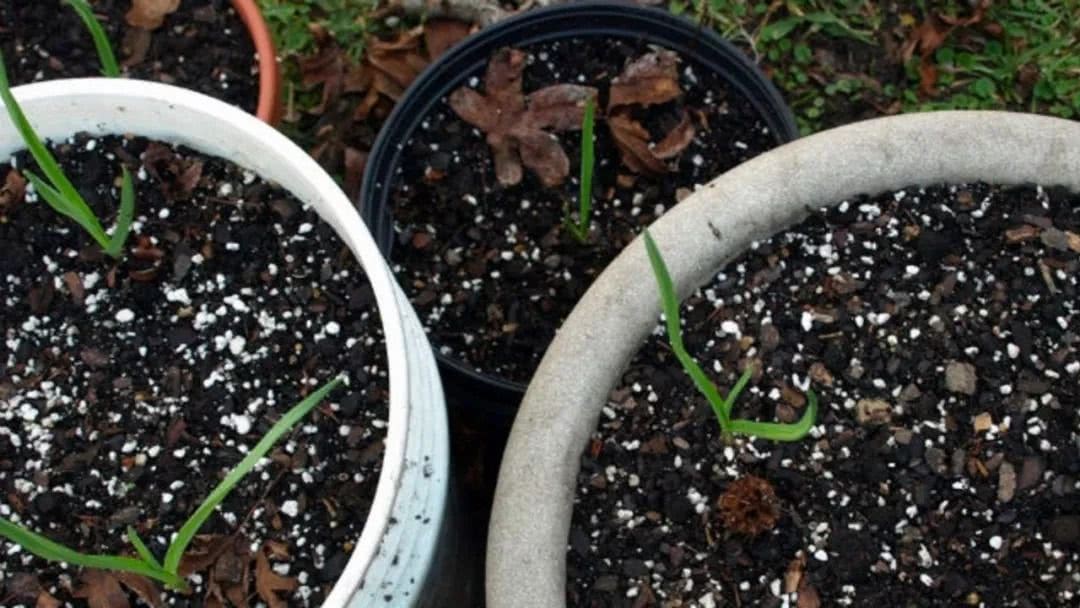
Every time we kill a plant or flower, we end up with a lot of discarded old soil. In fact, we get a lot of old soil throughout the process of growing flowers, and many people use old soil directly to grow flowers. This old soil is very likely to carry fungal diseases and may also harbor residual pests, making it very easy for plants to become infected with diseases and pests.
Below is a guide to the correct way to treat old soil, properly removing the diseases and pests in it. Of course, you also need to restore the fertility of the old soil, and then it will do a great job of promoting plant growth.
Once the old soil has been treated, it can be used again for growing flowers, making good use of it for plants, effectively lowering the cost of growing flowers, and reusing it.
If it is an ordinary potted plant, the soil can have the old soil replaced every year or two. Dig up and remove the soil from the surface layer of the pot, being careful not to damage the roots, then add some soil mixed with compost and peat moss. Of course, you should also properly mix in some river sand or perlite to ensure the soil has good drainage.
Old soil needs to be sterilized and disinfected before use. You can put it out in the sun to bake. Spread the old soil flat on black plastic sheeting and turn the soil regularly. After 3~5 days of sun exposure, you will have soil free of diseases and pests. After that, you can mix it into a flower bed, take it to a vegetable garden, or properly mix in compost or manure and add some river sand with good drainage, and it can be used to grow plants again.
Used soil will carry some pathogens, such as common fungi, bacteria, nematodes and other diseases and pests, and used soil will lack the minerals plants need to grow, which will cause plants to become diseased and wilt.
If soil has been used to grow a plant that died, it absolutely must not be used directly to plant new plants, otherwise they will also become diseased again and die.
To kill the fungal diseases inside, you can put it out to bake in the hot sun. Pour the used soil into a black plastic bag, then place the bag in a sunny spot. You can add some clean water to the bag, which will keep the temperature inside the bag relatively high. As long as the temperature stays high, it can easily kill the diseases and pests inside.
Of course, there are other methods of sterilization and disinfection. You can put them directly into an oven or microwave to bake. When the temperature reaches around 80~90 degrees, only half an hour is needed to completely eliminate the vast majority of diseases and pests.
You can even directly pour boiling water over it, which can also achieve the purpose of sterilization. If you want a more direct method, you can directly pour a carbendazim solution over it, though this method may not be able to remove possible residual pests in the soil.
This sterilized and disinfected soil is not suitable for directly growing plants and flowers. You also need to add some decomposed organic fertilizer or other compost soil to it, which can effectively increase the nutrients inside, and you can also add other nutrients.
Many used old soils will have a layer of white substance on the surface. This is an accumulation of salts, which is very unfavorable for plant growth and fertilization. It will prevent plant growth, easily make the soil alkaline, and cause plant leaves to turn yellow or wilt.
To prevent this problem, you should avoid watering flowers directly with tap water over the long term. You can put it in a container and let it sit for 3 days before using it, or directly water flowers with rainwater or well water, or directly apply a ferrous sulfate solution to improve the alkaline condition of the soil.