Peace lily indoor care: pay attention to these points for year-round blooms and no yellow leaves
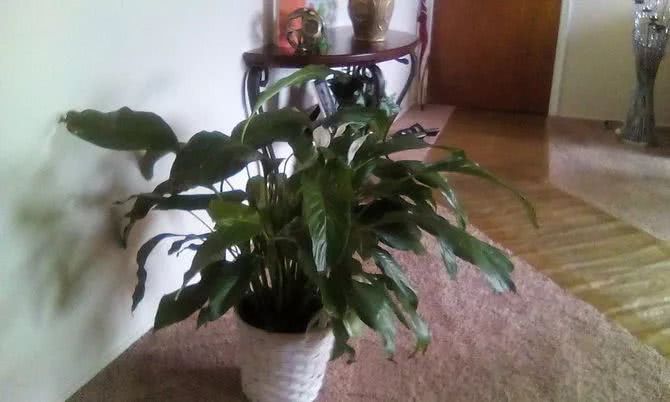
The peace lily is one of the brightest and freshest indoor potted flowering plants, with year-round emerald green leaves and pure white flowers, which are the reasons for its popularity. The peace lily is a very common perennial flowering plant, and as long as the growing environment is suitable, it is a plant that can keep blooming year-round, but you need to pay attention to the following points.
The peace lily is also suitable as a gift for friends; it can be placed at weddings and birthdays. It is also called "smooth sailing," so giving it to a friend as a blessing is very fitting. Its flowers also carry a fresh, mild fragrance, and the pure white blooms represent peace.
To care for a peace lily, you need to master the following 4 points:
1. Light requirements
The peace lily is a plant that prefers partial shade and does not need too much light. Giving it appropriate scattered light every day or keeping the growing environment brightly lit will let it grow well. Do not place it in direct sunlight or a spot with scorching sun exposure, otherwise it can easily cause the leaves to turn yellow or brown.
You can grow them on a windowsill with appropriate scattered light, or place them on a brightly lit desktop.
2. Soil requirements
The most important thing for the soil used to grow peace lilies is to maintain good drainage. You can add enough river sand or perlite to the soil, which can avoid waterlogged soil and prevent root rot. Note that you should choose a container with relatively many drainage holes, and you can lay some broken tiles or large granular stones at the bottom of the pot.
3. Watering notes
The reason most plants die is overwatering, and the same is true for peace lilies. They do not like being overwatered, and long-term waterlogged soil can easily cause root rot, especially for peace lilies grown in a low-light environment, where the amount of water given needs to be reduced. You must wait until the soil dries out before watering. If it is grown in an environment with more scattered light, then you can keep the soil moist in spring and summer.
Strong light easily makes the leaves wither and turn yellow
4. Use of fertilizer
If you want to fertilize a peace lily, you must choose the right time. During the peak growing season in spring and summer, you can give 1 to 2 times a month a dilute organic liquid fertilizer. The concentration must not be too high, and no fertilizer water should remain on the leaves, otherwise it can easily cause fertilizer burn.
Normally you can use a common balanced fertilizer, and occasionally once every one or two months you can supplement with a potassium dihydrogen phosphate solution, which helps promote flowering.
Peace lilies have very low fertilizer needs. When fertilizing, the concentration can be half of what is stated in the instructions. This will achieve better results, can effectively promote vigorous growth of the peace lily's branches and leaves, and can also help avoid pest and disease problems.
Another care tip to note is to clean the leaves regularly to avoid dust remaining on them. You can wipe them with a soft, damp cloth, promptly cut off dead branches and fallen leaves, and also promptly cut off flowers after they wither.