These flowers won't die no matter how much you water them, especially suitable for beginners
Many beginners, out of eagerness to care for their flowers, most easily run into this plant-care problem: watering too frequently and killing the flowers.
So are there any potted plants suitable for growing at home that won't have problems with a bit of extra water and are also relatively easy to keep?
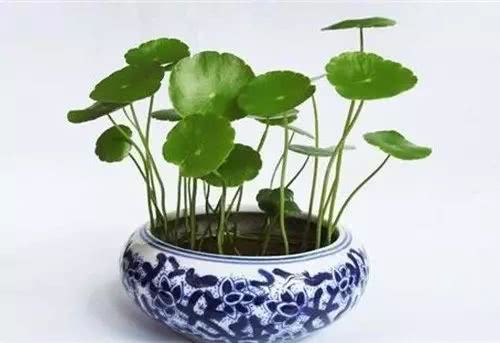
The first ones we think of arepennywort (Hydrocotyle vulgaris)andChinese evergreen (Aglaonema modestum). They are not afraid of wet conditions, you basically don't need to gauge the watering amount, and they rarely suffer from root rot.
Besides these varieties we all know, there are some other plants that are equally unafraid of watering, easy to grow, and good-looking too.
Cordyline (Cordyline fruticosa)
The cordyline has a gorgeous plant form and elegant, luminous colors; placed in the living room or on the balcony, it is very eye-catching and striking. Cordyline has many varieties, with differences in color and leaf shape, but the decorative effect is excellent in all of them.
Cordyline likes a well-ventilated spot and stays moist at all times. It needs 80%-90% growing humidity, and the potting soil must always stay moist; once it lacks water, it will drop its leaves.
Note that cordyline must not have too much standing water, otherwise it will also drop leaves or turn yellow, affecting its health.
So when choosing the growing medium for cordyline, use a loose, well-draining, slightly acidic soil, and promptly deal with any standing water in the pot after watering.
Cordyline is very shade-tolerant, but it does not like long-term shady conditions. For care, it is best to place it in bright, indirect light, or somewhere it can get morning and evening sun, avoiding direct strong light so the leaves don't dry out and turn yellow.
Aquatic canna (Canna glauca)
The aquatic canna's natural growing environments are mostly swamps, lakesides, riverbanks and similar places; in urban landscaping it is also often planted in damp locations.
In a suitable environment, the aquatic canna blooms year-round; in the north it blooms in summer and autumn. Its stems and leaves are upright and lush, its flowers and foliage are grand and beautiful, and its flower colors are bright and vivid. Planting it also has the function of absorbing harmful substances such as lead, mercury and cadmium, making it very suitable for growing at home.
The aquatic canna likes a warm, sunny environment; in a spot with ample light it grows lushly. If the growing temperature is below 10°C, growth will be seriously affected, with leaves wilting and looking listless, and growth slowing or stopping. Grown in the north, it goes dormant in winter and needs greenhouse care.
Just how much water does the aquatic canna like? With 20 cm of water above the soil, it still stays healthy. Watering means keeping the potting soil moist at all times, or simply leaving some shallow water in the pot.
Umbrella plant (Cyperus alternifolius)
A pot of umbrella plant placed in the living room or in front of the door, emerald green and elegant, not only improves the home environment but also has the feng shui effect of warding off illness and evil and bringing wealth and prosperity.
What's even more likable is that the umbrella plant is very easy to grow. As long as the environment is sufficiently ventilated and has light, just water it every day and keep it moist regularly.
In summer, direct strong sunlight and long-term shady conditions both affect growth, and with insufficient ventilation, the water-loving umbrella plant may suffer root rot. So the prerequisite for easy growing is that the placement environment must be well chosen.
When watering, pay attention to the water quality; ideally use clean rainwater or cooled boiled water that has been left to stand. Tap water should be left to sit in the sun first.
The umbrella plant needs a certain amount of nitrogen and other nutrients to grow well and keep its leaves full of green. A lack of fertilizer or too much fertilizer will both cause the leaves to wilt and yellow. You can apply a thin liquid fertilizer once a month.
Maidenhair fern (Adiantum)
Ferns basically all love water; water two or three times a day to keep them moist, and mist frequently to keep the surrounding environment humid.
For moisture retention, these plants that are unafraid of wet conditions have another method: keep water in a saucer at all times, and sometimes forgetting to water won't be too big a problem.
The maidenhair fern has fine, stiff stems and layered, dancing leaves in a tender green color; besides the living room, it can also maintain strong, vigorous growth placed in the bathroom.
In spring, trim it right back and add fertilizer to the soil to lay a foundation for vigorous growth that year. The cut branches and leaves can be used as cut flowers or dried flowers, with a very good decorative effect.
Besides liking humid environments, the maidenhair fern also likes calcareous soil, so you can use a calcium-containing flower fertilizer when feeding. On Tieba there was once an expert at growing maidenhair ferns who recommended chicken manure as fertilizer, and the maidenhair ferns grown with it were indeed very vigorous.
For routine fertilizing, once a month is enough; in summer and winter you can skip fertilizing. When fertilizing, avoid the leaves so as not to burn them.
As for light, the maidenhair fern likes semi-shade; it can get some sun, avoiding strong light, and two or three hours a day is plenty. In a spot with no light at all, it definitely cannot grow well or strong.
Selaginella (Selaginella)
Selaginella is often used to decorate bonsai and planted aquariums; well-grown, it is emerald green, cute and very appealing.
Selaginella loves water; during the growing period the most suitable humidity is 85%-95%, and it needs plenty of watering to grow better.
Selaginella's drought tolerance is also super strong: desert plants generally have a water content of about 16%, while selaginella can still stay alive at 5% water content; just put it in water and it will quickly revive.
Therefore selaginella is also called the "nine-death resurrection plant".
Selaginella can be propagated by cuttings or by placing it on sandy soil; the seedling soil should drain well, be shaded from direct light, and be kept moist regularly. It can take root in about two weeks. Selaginella has a shallow root system, so a shallower pot or container can be used for planting.
When growing selaginella, besides keeping the soil moist at all times, also pay attention to light and temperature: direct strong light easily dries it out and scorches the leaves, so a bright, indirect-light environment is best; as for temperature, 20°C is the best growing temperature for selaginella, and in winter just keep it above 0°C.
One thing to pay special attention to: to keep it moist, mist the branches and leaves every day, and at this time do not use cold water but warm water, which is better for selaginella's growth.
Water hyacinth (Eichhornia crassipes)
The water hyacinth is named for the pattern on its petals, which resembles a phoenix's eye (and also a peacock's tail feathers). Its inflorescence is a spike, cluster after cluster, very beautiful even from a distance, and its leaves also have high ornamental value.
The water hyacinth can grow in water by itself; for home growing you can use humus soil or pond mud, put plenty of water in a potted container, and that's it. During growing there is no need to change the water frequently; just top it up after the water level drops.
To grow the water hyacinth, place it in a spot with ample light, four or five hours of light a day; if it goes without light for three or four days, it will die. Applying nitrogen fertilizer during the growth period can effectively speed up its vigorous growth.
The water hyacinth needs water but is not demanding about water quality; overly clean water actually makes it grow poorly. It has the function of purifying water quality and can absorb and purify heavy metal substances in the water.
Because of its water-purifying function, it was once specially introduced and kept in rivers and lakes as an environmental protection plant, but the water hyacinth's reproductive capacity is extremely strong, and its growth consumes a great deal of the nutrients in the water. After the plants die and fall into the water, they in turn create a certain degree of pollution, and as an invasive species, it can very easily disrupt the ecological balance of local waters.
Growing it at home does not pose such problems, but be sure not to release it into public waters, to avoid causing harm.
If you also like growing flowers, then follow us!